What if the safest strategic bet is the one quietly killing your brand?
Truly distinctive brands refuse to blend in just to protect their position—they buck category trends to stay unforgettable. Caroline Whittaker discusses how resisting consensus builds true, lasting brand relevance.
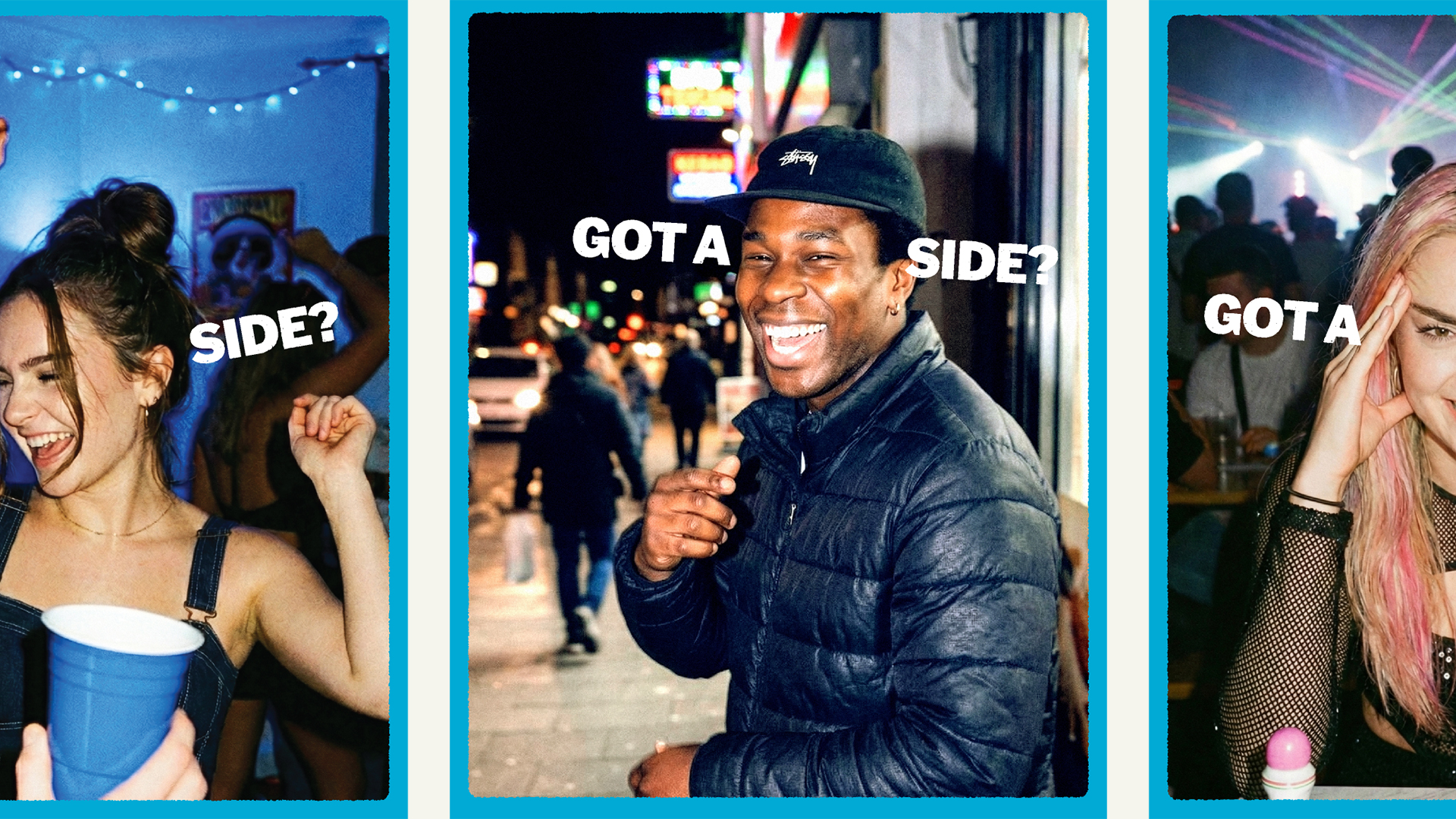
The most dangerous moment for a brand is when the strategy feels settled. When the targets are being hit, the instinct is to double down on what’s proven. We reach for the trend reports, we optimise for consensus, and we make the most logical choices possible to protect our position.
But logic becomes the route to the middle. When every successful brand in the category reads the same data and draws the same sensible conclusion, you don't get relevance, you get quiet convergence – a category that looks identical, speaks in the same tone, and eventually, feels like nothing.

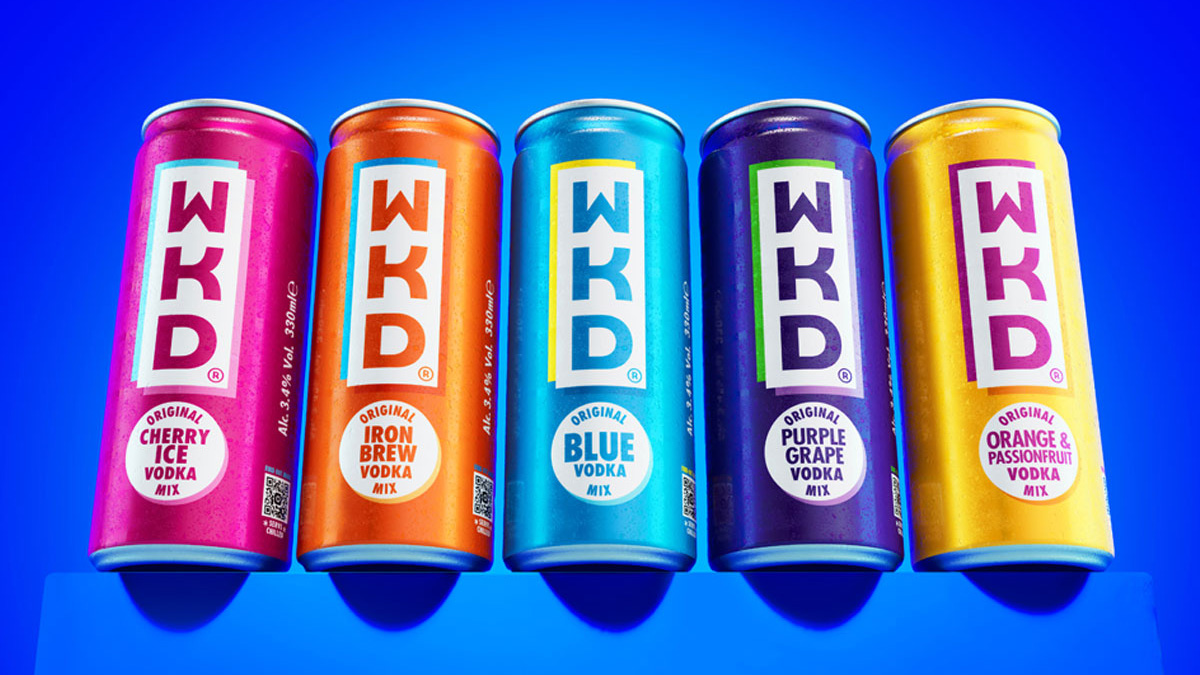
Despite years of market dominance, by 2025 nearly half of WKDs target audience had never formed an opinion about it. Not negative. Not positive. Just nothing. The brand hadn't failed; it had simply become ‘appropriate’. It followed the rules of the category so well that it had achieved a complete absence of feeling.
The reflex is to safe tinker – to see wellness rising and dial back the fun, or to see ‘clean aesthetics’ trending and polish away the brand’s edge. It’s a logical response. But you can’t fight indifference with consensus.
For WKD, the opportunity wasn’t to chase the sober trend or the wellness aesthetic. It was to be the brand that understood the exhaustion underneath it...

The dominant narrative; sober generation, clean aesthetics, wellness-first, is real but partial. The proportion of legal drinking age Gen Z consumers who had consumed alcohol in the past six months rose from 66% in March 2023 to 73% in March 2025. That’s not a generation rejecting alcohol. That’s a generation rejecting being told how to live, by brands, by anyone with an agenda for their lifestyle.
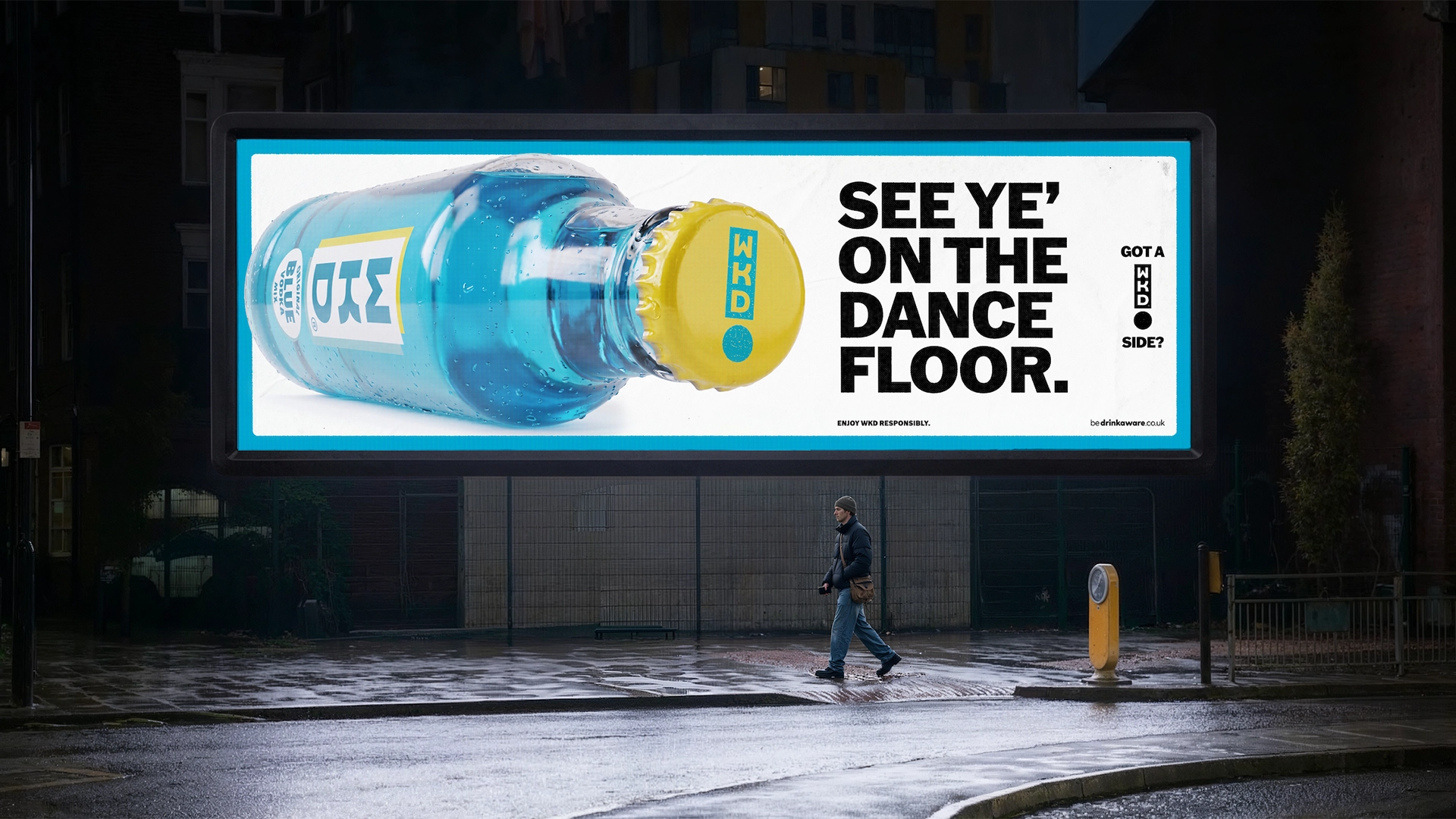
We stopped trying to make WKD appropriate and started making it honest. Not in the way that word gets used in brand strategy, as a synonym for ‘authentic’ or ‘raw’, but genuinely honest about who the audience is and what they actually want from a night out. That meant resisting the category pivot toward polished, aspirational positioning and leaning into the unfiltered reality of being 18-24 in 2026.
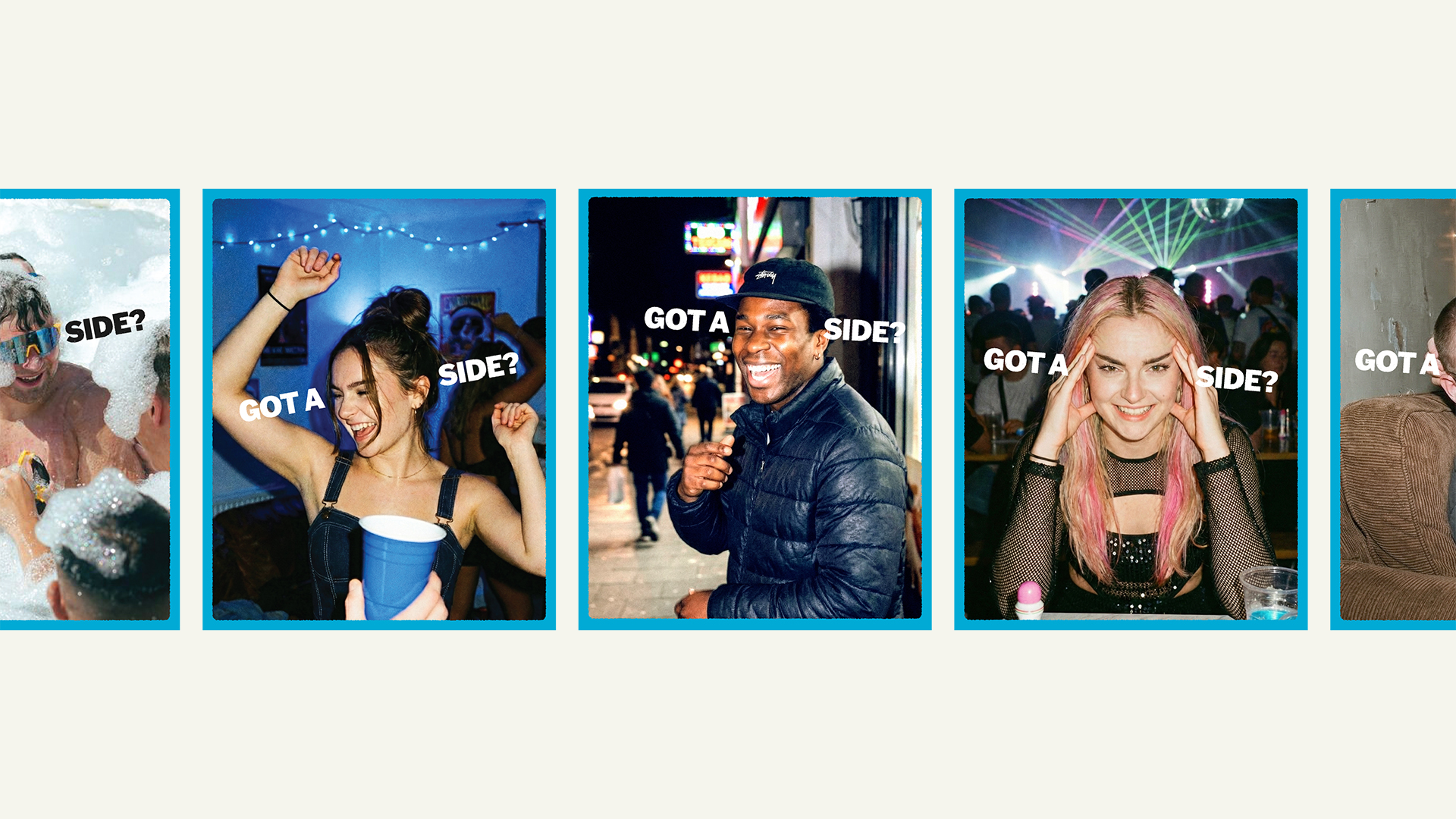
The harder lesson doesn't belong to WKD, or Gen Z, or the drinks category. It belongs to any brand navigating uncertainty. When things feel unstable, the temptation is always to narrow — safer choices, proven formats, the comfort of what's already working. But consensus isn't a strategy. It's a slow erosion of distinctiveness dressed up as discipline.
The brands that stay relevant over decades are the ones that understand their own truth clearly enough to hold onto it — especially when the market is pointing in a different direction.
Certainty feels like a strategy. More often, it's just fear with better slide design.