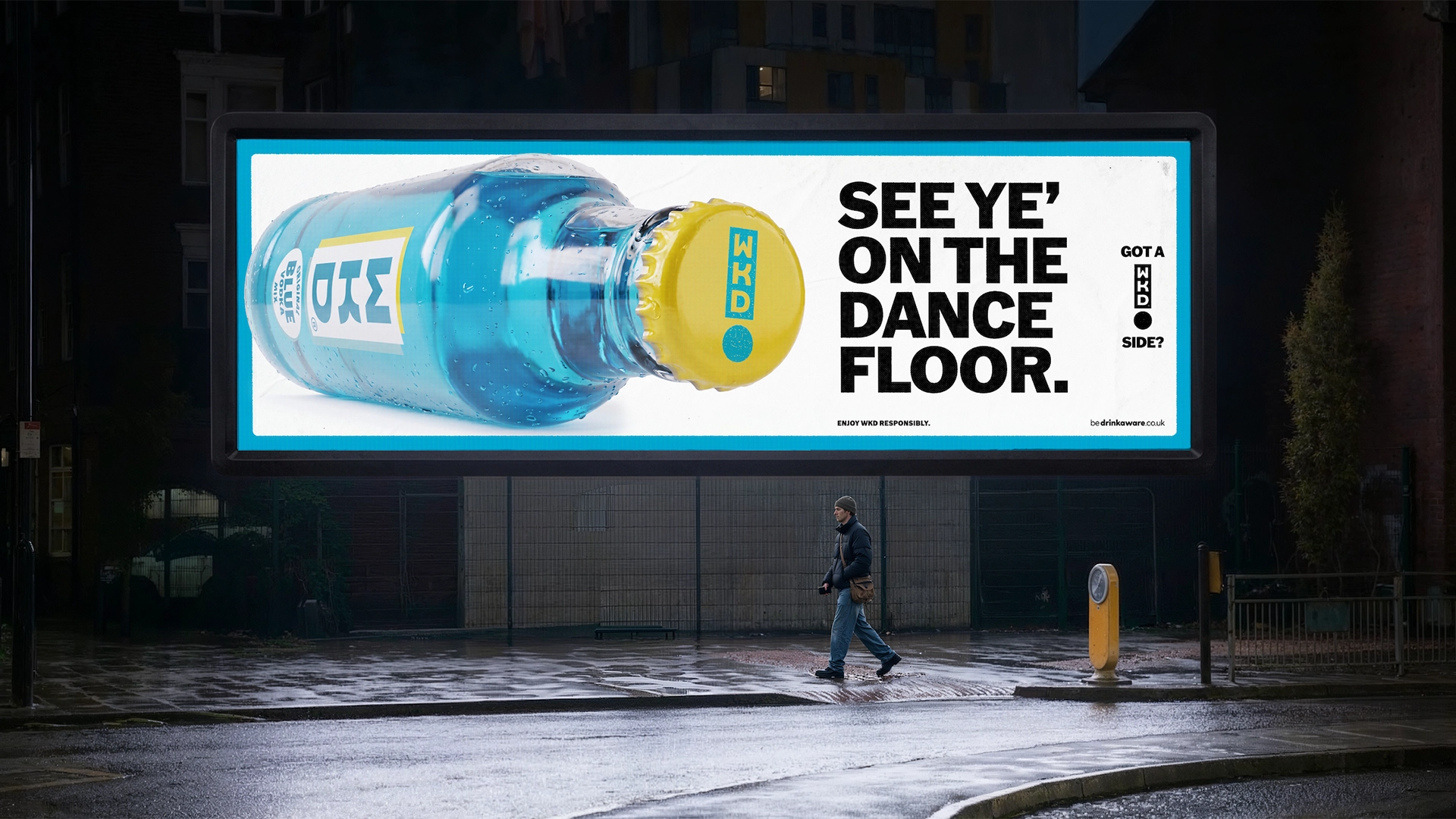
How brands can gain and maintain cultural relevance
Cultural relevance is about understanding your audience, showing up meaningfully, and evolving in a way that keeps your brand recognisable.

Cultural relevance is something you have to work at, continuously. And right now, the biggest risk for established brands isn’t getting it wrong. It’s standing still and assuming what worked before will work now.
Here's how you can make sure you're getting right.
1. Show up where culture is actually happening
Don’t rely on LinkedIn posts, trend reports, or macro influencers – by the time they appear, culture has often moved on. Instead, immerse yourself in unfiltered spaces, both online and offline:
* Digital – community forums, comment threads, peer-to-peer platforms
* Physical – shops, bars, transport hubs, everyday spaces where people gather
Combine digital and physical listening. Sometimes a casual remark in a supermarket says more than a thousand likes on a trending post.
Look for:
* What people defend passionately
* What they reject outright
* Which brands don’t even get a mention
Why it matters:
Reddit has overtaken TikTok as the UK’s fourth most visited social platform, reaching three in five internet users (nearly double its 2023 reach).
Among 18–24s, it’s now the sixth most visited site, with over three-quarters actively engaging. These aren’t niche chatter – it’s where large swathes of culture are actively expressed, debated and shaped.
2. Invest in strategic clarity
Recognise that culture is made by audiences, not brands. Your role isn’t to ‘lead’ culture. Instead, it’s to respond meaningfully to what people are already talking about.
How to act strategically:
* Look beyond categories – Behaviours and cultural affiliations shift across contexts and communities. Signals exist everywhere – look beyond your market.
* Join where you have permission – Focus on spaces where your brand can add real value. Chasing relevance where you lack credibility is worse than silence. Instead, be meaningful where it matters.
* Spot deeper patterns – Trends matter only when they connect to your audience’s real behaviours and sentiments.
Takeaway:
Relevance comes from understanding people first, then deciding where and how your brand can meaningfully participate.

3. Show up coherently and commit to long-term relevance
Past identities and roles are useful reference points, but they shouldn’t anchor your view of relevance. Ask yourself:
* What does my audience truly value from my brand today?
* What emotional and functional role are we fulfilling in their lives?
* Has this shifted since yesterday?
Make listening an ongoing practice:
1. Observe → Reassess → Test → Refine
2. Validate insights with real people
3. Adjust rapidly to stay in step with changing behaviour
Why it works:
Brands that master this not only drive memorability – they shape expectations, conversations, and choices. They reduce reliance on promotions, earn trust, and create demand that lasts.
Key takeaway
Cultural relevance in 2026 isn’t a milestone or a campaign. It’s continuous learning, listening, and showing up meaningfully. Stand still, and you fade. Move deliberately, and you can be part of the culture that shapes your success.