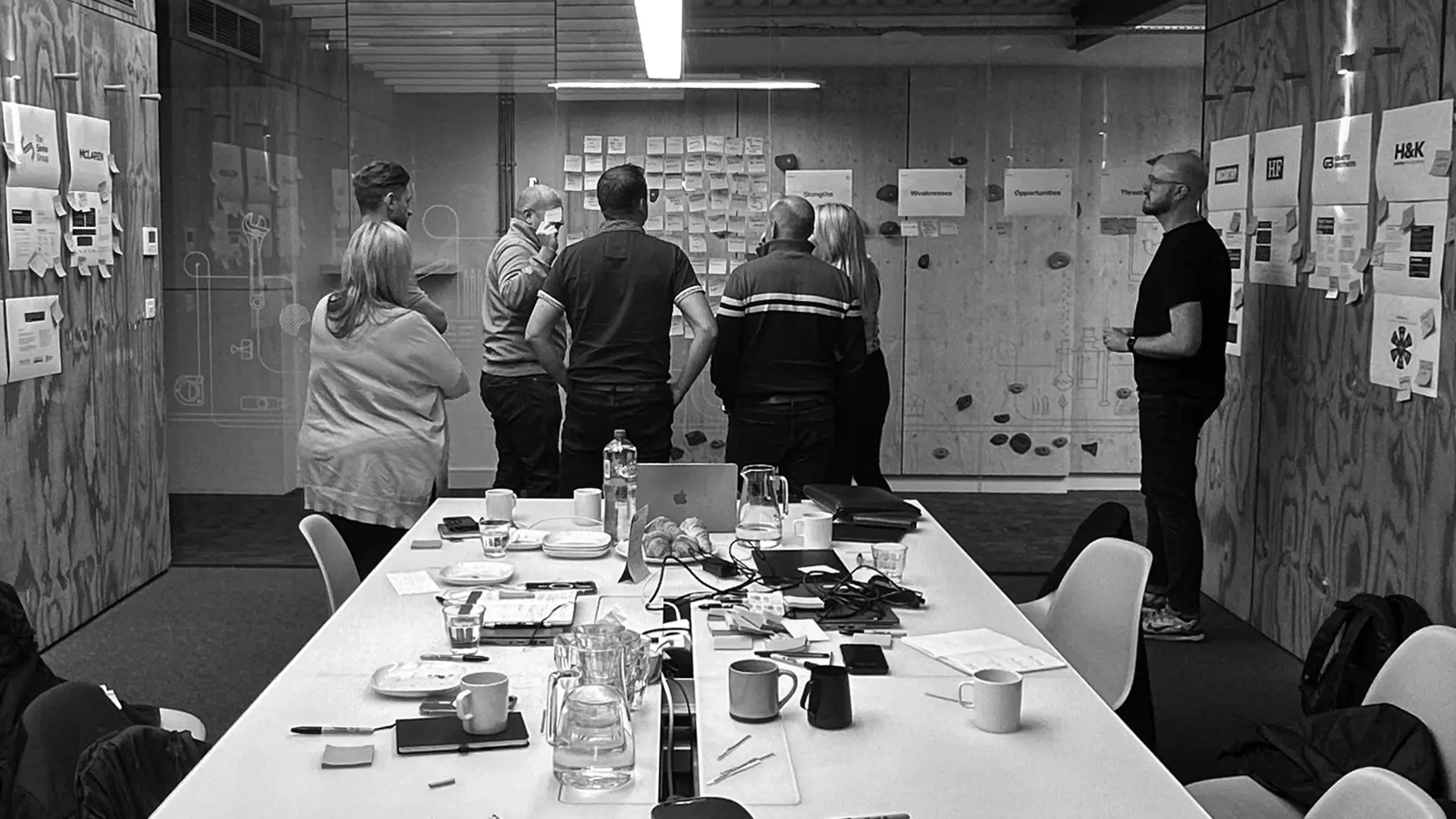
Who’s looking after the places that make drinks brands matter?
From Halloween to Christmas and everything in between, drinks brands are constantly looking for the next reason to get people through the door. David Beattie asks whether we should spend more time thinking about the places, people and experiences that make those occasions possible.
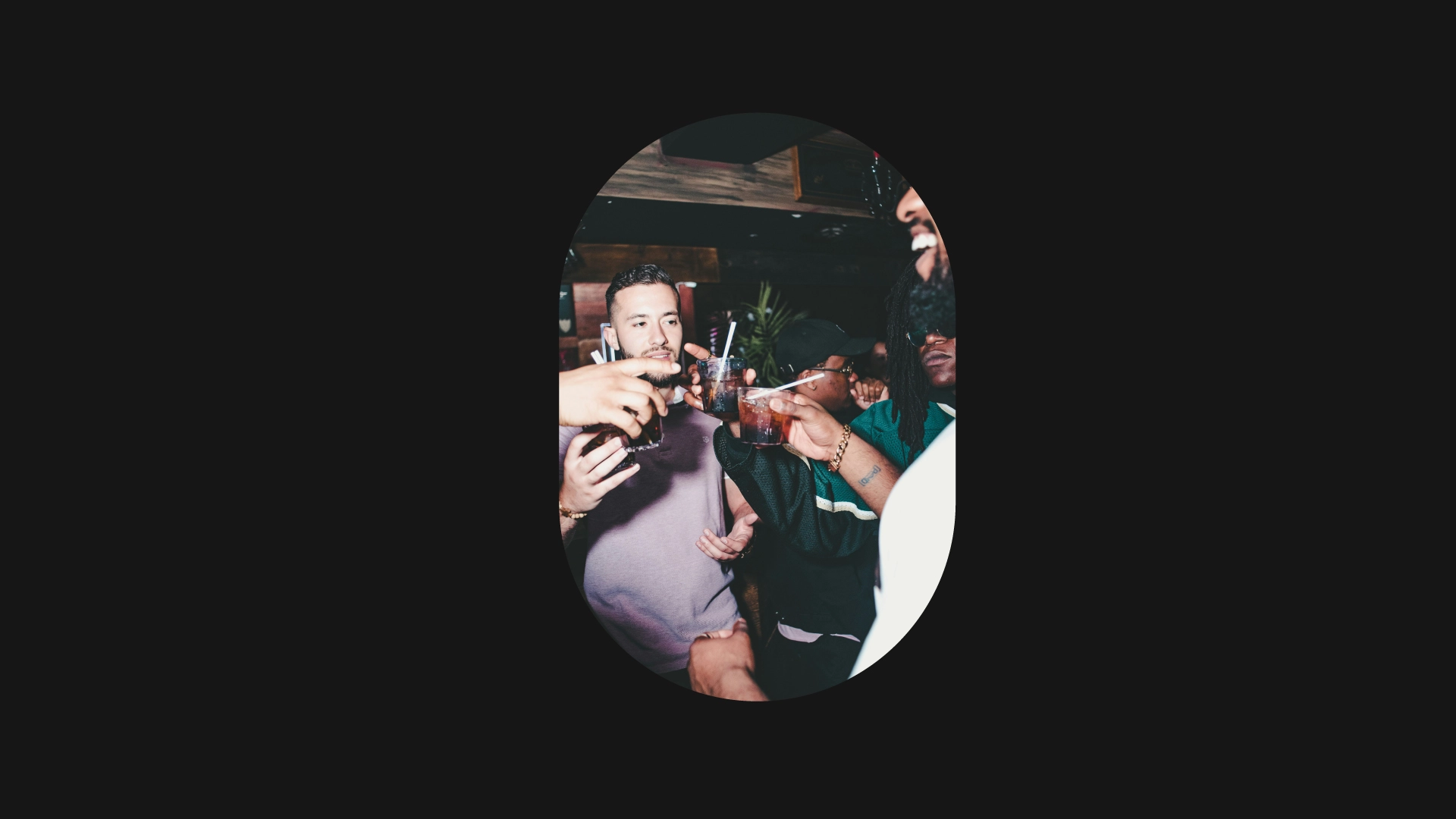
There’s always another occasion. Freshers. Halloween. Christmas. Summer. Sport. Festivals.
For drinks brands, each one brings another reason to show up, another activation to create and another opportunity to sell.
And of course, there’s nothing wrong with that. Occasions matter. They give people a reason to go out and brands a reason to be part of it all.
But when you move from one occasion to the next, working in waves of seasonality, it’s easy to focus on pushing more product rather than creating genuinely engaging drinking experiences. And every experience needs somewhere to happen.
So where does the occasion actually happen?
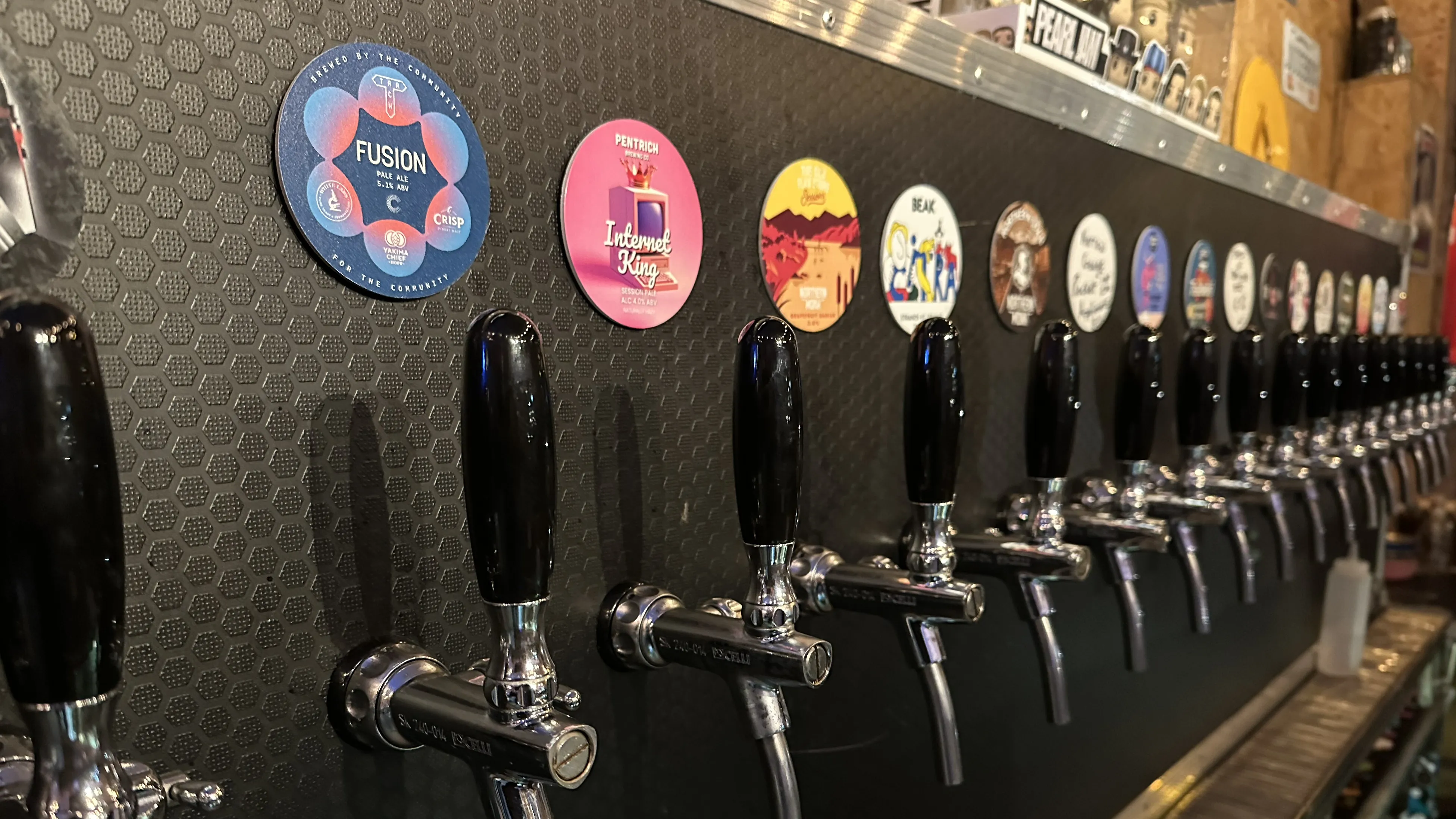
In the pub. The bar. The club. The independent venue.
These places aren’t just somewhere to sell or consume a drink. They’re where drinking occasions and rituals are created, where people discover brands, and where those brands become part of people’s lives.
If we want those experiences to keep happening, we need to think about the places that make them possible.
The venue is part of the brand experience
A drink can look great on a shelf or in a fridge. An ad can make an occasion look brilliant. But the on-trade is where a huge amount of the brand experience actually happens.
It’s where someone discovers a new drink.
Where a bartender makes a recommendation.
Where someone tries something they wouldn’t normally order.
Where a brand becomes associated with a particular place, person or moment.
And where a group of mates can turn an ordinary Tuesday night into something worth remembering.
The venue isn’t the backdrop to the experience. It’s part of it. Which means the health of those venues matters to drinks brands too.
Are we building experiences, or just selling occasions?
There’s a difference between asking: “How do we sell more drinks at Halloween?” and asking: “How do we create a brilliant night out that people want to experience again?”
One is focused on the immediate opportunity. The other considers the experience, the venue and the relationship people have with the on-trade, as well as the longer-term effects on the brand and the venue.
Because the next occasion will always come along. But the venue needs to be there next year too. And the year after.
That means thinking about thriving, not just surviving. And right now, that’s getting harder.
The economics of running a pub, bar or independent venue are under real pressure. The #VATsTheProblem campaign has brought together more than 800 hospitality businesses calling for a lower VAT rate, while rising wages, energy costs, food prices and business rates continue to put pressure on operators.
The detail of the debate matters, but there’s a bigger point for the drinks industry. If it becomes harder to run the places where our brands are discovered, experienced and enjoyed, we all have a stake in what happens next.
That means brewers, drinks brands, agencies, suppliers, distributors and retailers. Because you can’t keep creating drinking occasions if there are fewer places able to host them.
Then along comes Joe Lycett
He’s opened a pub that’s only open for one hour a week. It sounds ridiculous. And that’s the point.
The Lycett Arms is designed around the reality that keeping a pub open is getting harder, using the absurdity of a one-hour-a-week pub to shine a light on the pressures facing British boozers. Each episode also pairs the fictional pub with a real one elsewhere in the UK, celebrating what makes those locals matter.

There’s something quite clever about that. Instead of telling us that pubs are struggling, it makes the problem tangible.
Imagine if your local only opened for an hour.
Because without the economics to keep them going, that’s effectively what we're heading towards: fewer opportunities to meet, drink, discover something new and spend time together.
And that brings us back to drinks brands.
If the places where people experience our brands are under pressure, what role should we be playing in keeping those places healthy?
What does useful support look like?
I don’t think the answer is simply that drinks brands need to save the pubs.
That feels too worthy, and it misses the opportunity.
The better question is, “What does useful support actually look like?”
It could mean creating reasons to go out. Giving people something genuinely worth leaving the house for.
It could mean helping venues make money. An activation shouldn’t just work for the brand. It should make commercial sense for the venue too.
It could mean investing in the experience. Thinking about the people, spaces and moments that bring a brand to life.
It could mean working more closely with the trade. Listening to operators, understanding their challenges and building things that work in the real world.
And it could mean using the influence the drinks industry has when the wider conditions affecting hospitality need challenging.
Because supporting the on-trade shouldn’t mean putting a logo on something and calling it support.
It should make a difference.
Fusion: putting that thinking into practice
That’s part of the thinking behind Fusion – a pale ale brewed by the community for the community.
It gives independent venues a better commercial opportunity at a time of year when they need it, while giving people another reason to visit and try something different.
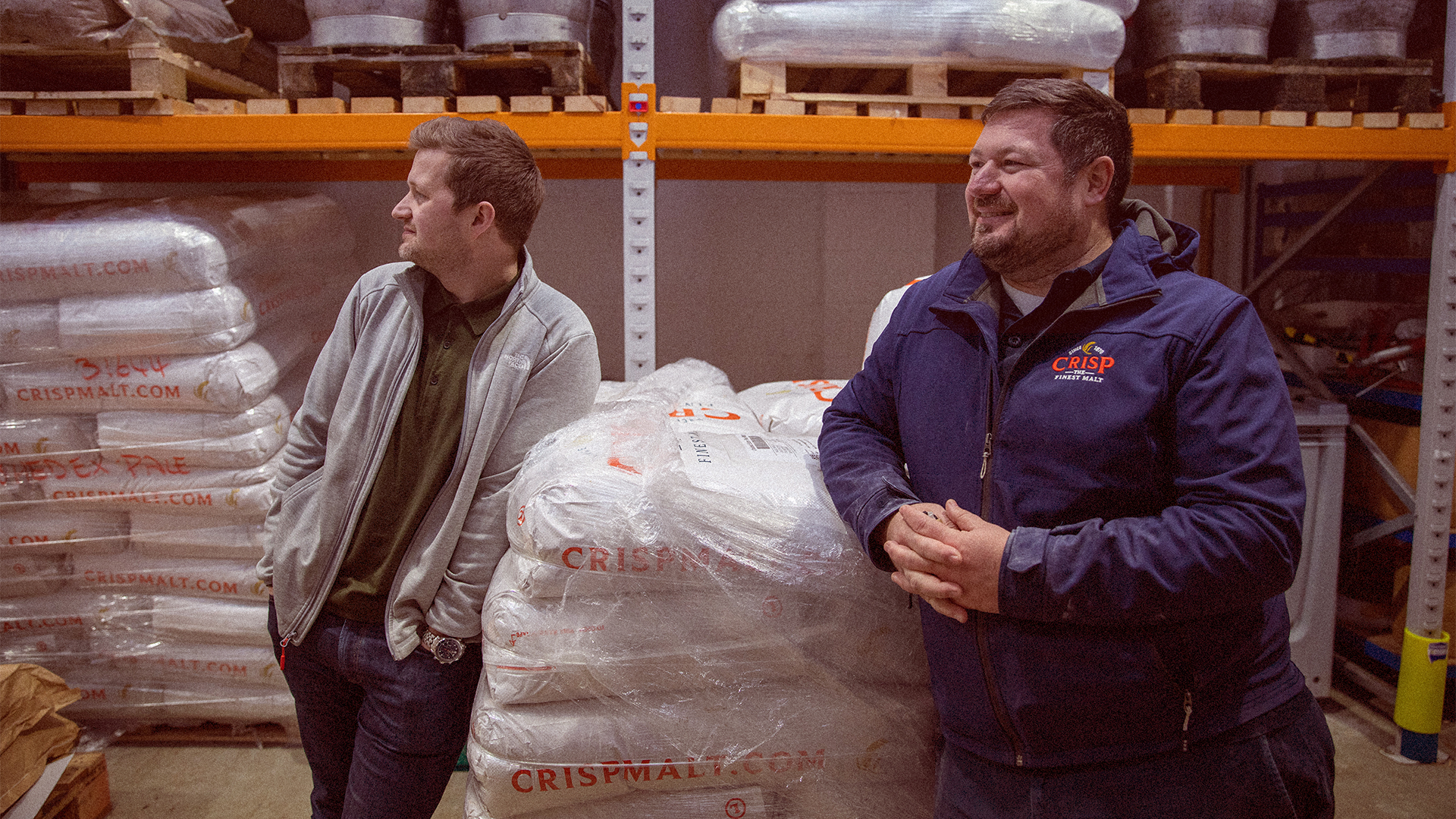
After three years, I’ve learnt that the difference between an industry initiative that sounds good and one that’s genuinely useful is pretty simple.
It has to work for the people you’re trying to support. That’s the bit I think we sometimes miss when we talk about supporting the on-trade. It isn’t about doing something for venues. It’s about doing something that works with them.
And that’s why it’s so great to get comments like these:
“Probably the most excellent hospitality initiative we’ve been part of.”
Gavin Hird – Shipley Triangle
“It helped my cash flow situation at a very difficult time, where all outgoings seemed to continue to increase.”
Adam Crimes – Indie Hops
“Every time the Fusion emails drop in my inbox I get more excited than I do for any hype beer as it really does help and is an incredible beer, especially for the price.”
Winckley Street Alehouse
Think beyond the next occasion
There will always be another occasion to chase. Another season. Another activation. Another reason to put a drink in front of someone. But the venue is there through all of it. It’s where people discover brands, share experiences and create the drinking rituals that make those brands matter.
So perhaps the bigger opportunity for the drinks industry isn’t simply creating the next reason to go out.
It’s helping make sure the places people go to are still there, still relevant and still worth going to. Because if we want the next big drinking occasion to succeed, we need to think beyond the occasion itself.
We need to help make sure there’s somewhere worth having it.