Putting AI into practice
Continuous and Loughborough University bring AI into the creative process with a seven-hour live agency brief, giving students the chance to test new tools, challenge assumptions and put their creative thinking into practice.
AI can produce polished copy, convincing visuals and a seemingly endless stream of ideas. But making something that looks good is one thing. Coming up with a concept that makes people stop, think or feel something takes a different kind of thinking.
At Continuous, we use AI to aid parts of the creative process; resulting in people having more time to develop ideas with real impact. The interesting bit is what happens next: how you challenge those ideas, work out which ones have potential and turn them into something that works for a brand.
We wanted to explore that with people who are just starting their creative careers. So, we teamed up with Loughborough University and Figma Weave to co-create a new approach to AI learning, bringing a live agency brief into the classroom.
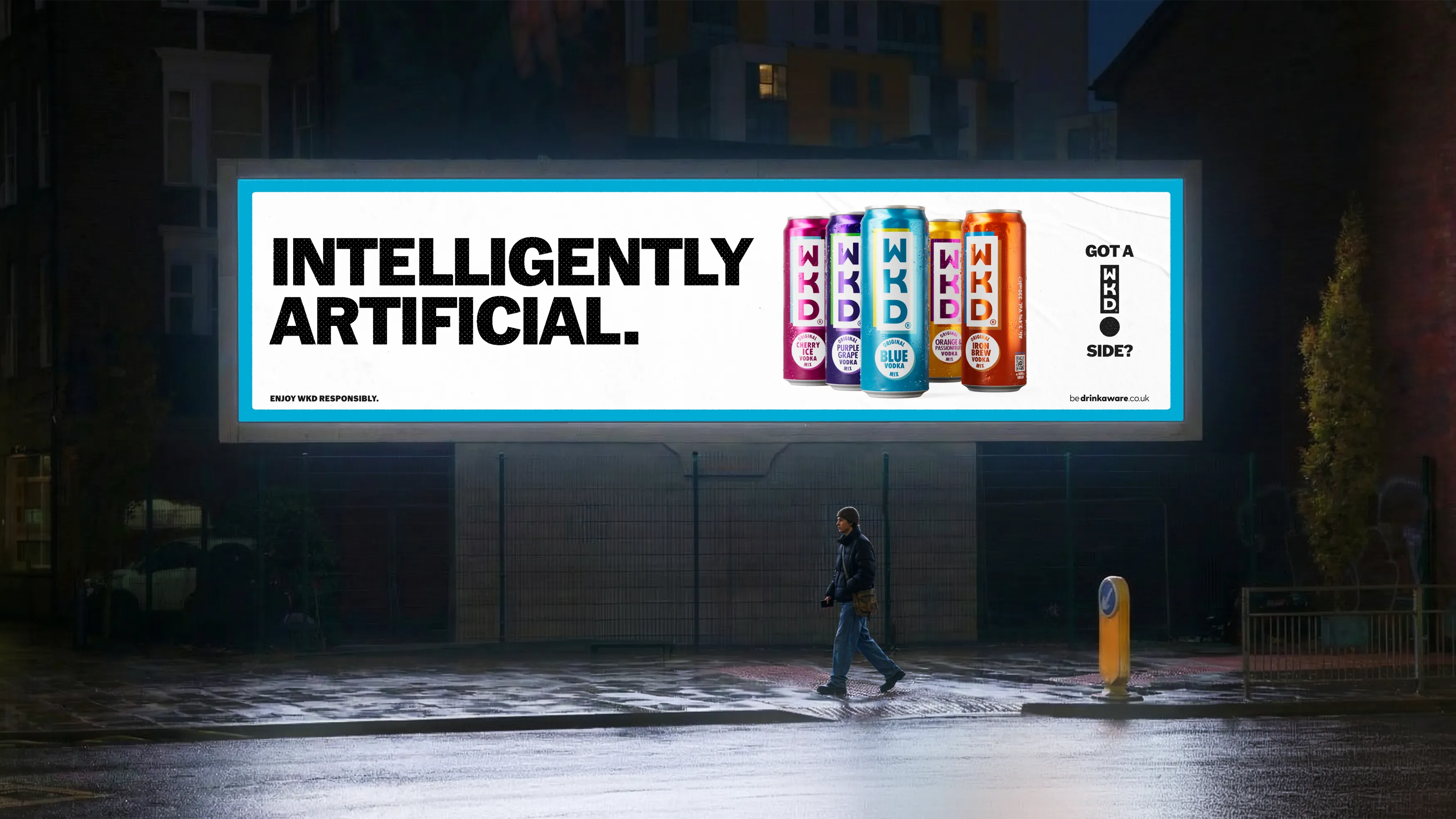
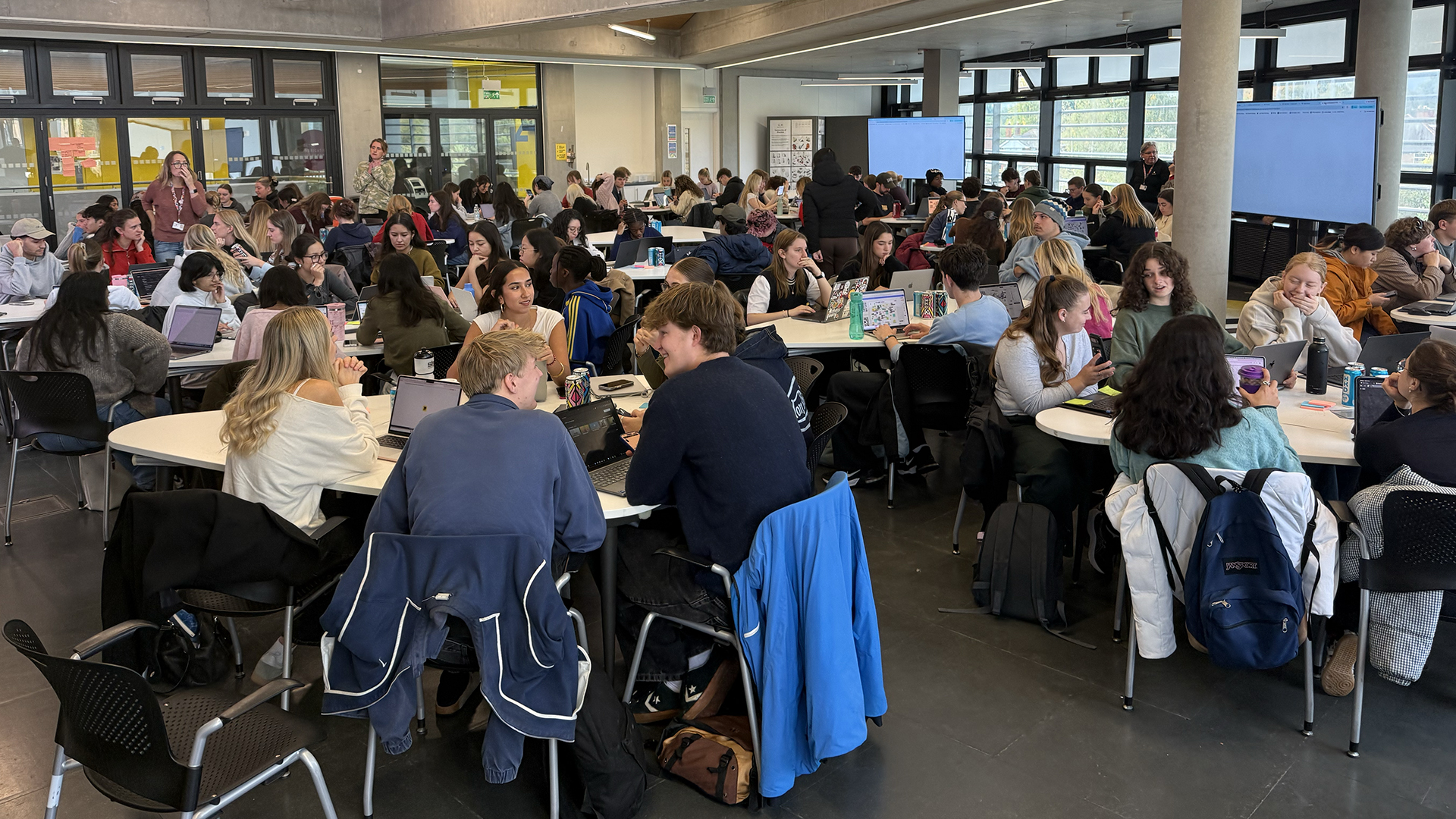
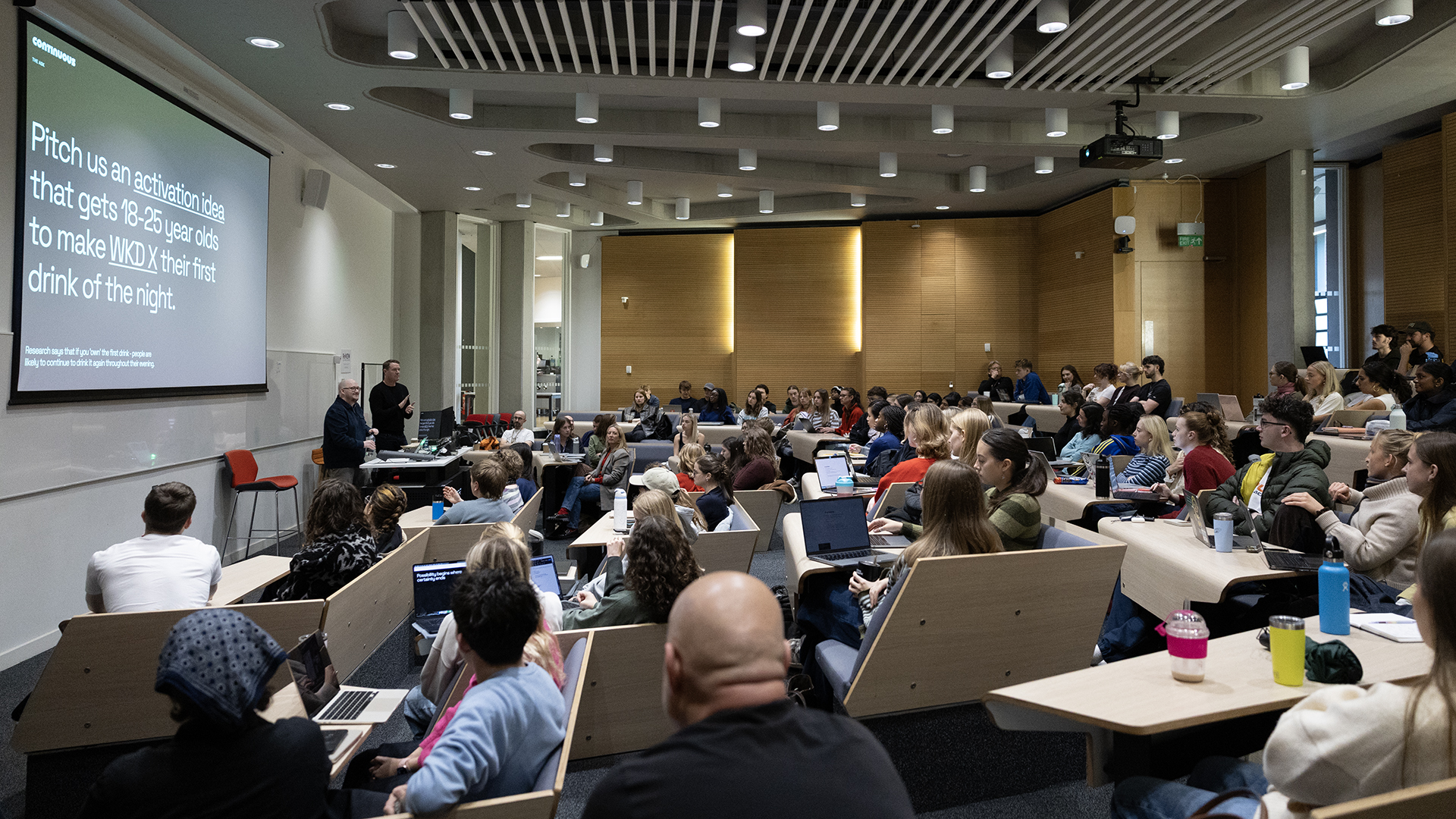
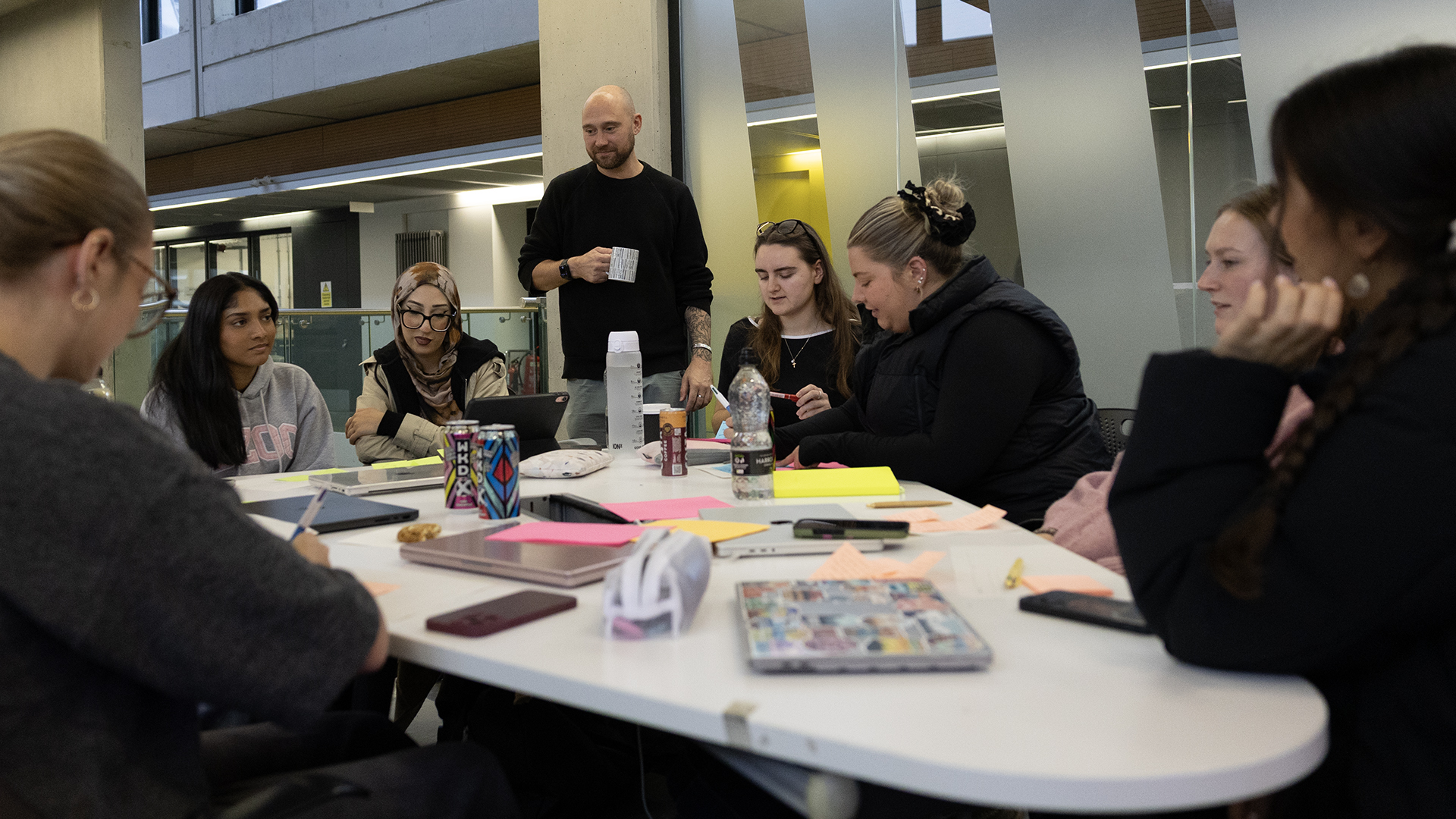
On 21 October, 160 final-year students from Loughborough’s BA (Hons) Graphic Design course split into 15 teams to develop a launch campaign for WKD X, the caffeinated, 7% ABV energy drink from SHS Drinks. They had seven hours to get from the initial brief to a final pitch.
From a blank page to a live pitch in seven hours
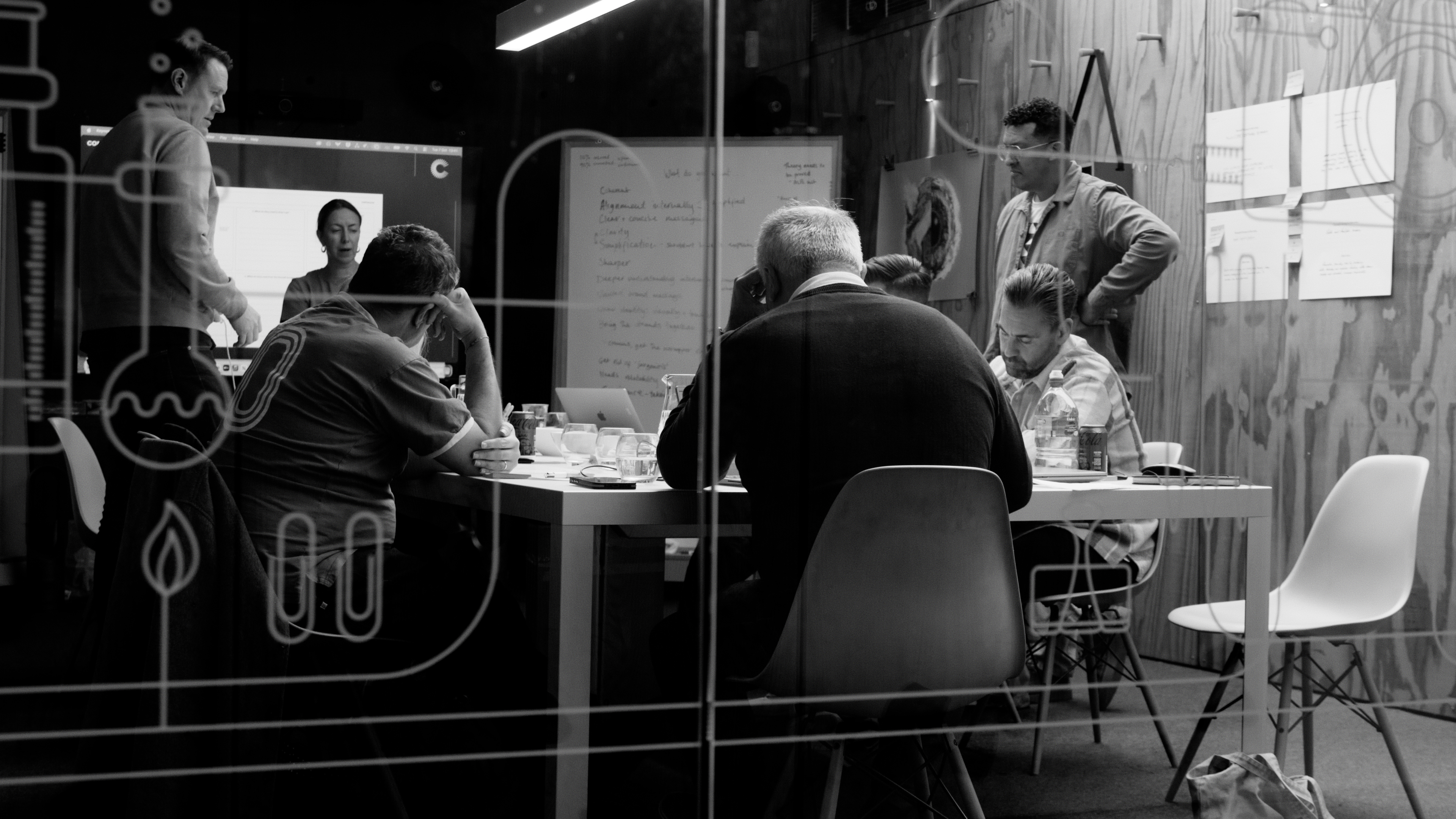
The day followed the shape of a real agency pitch, from getting to grips with the brief and researching the market to exploring ideas, developing concepts and presenting the finished work.
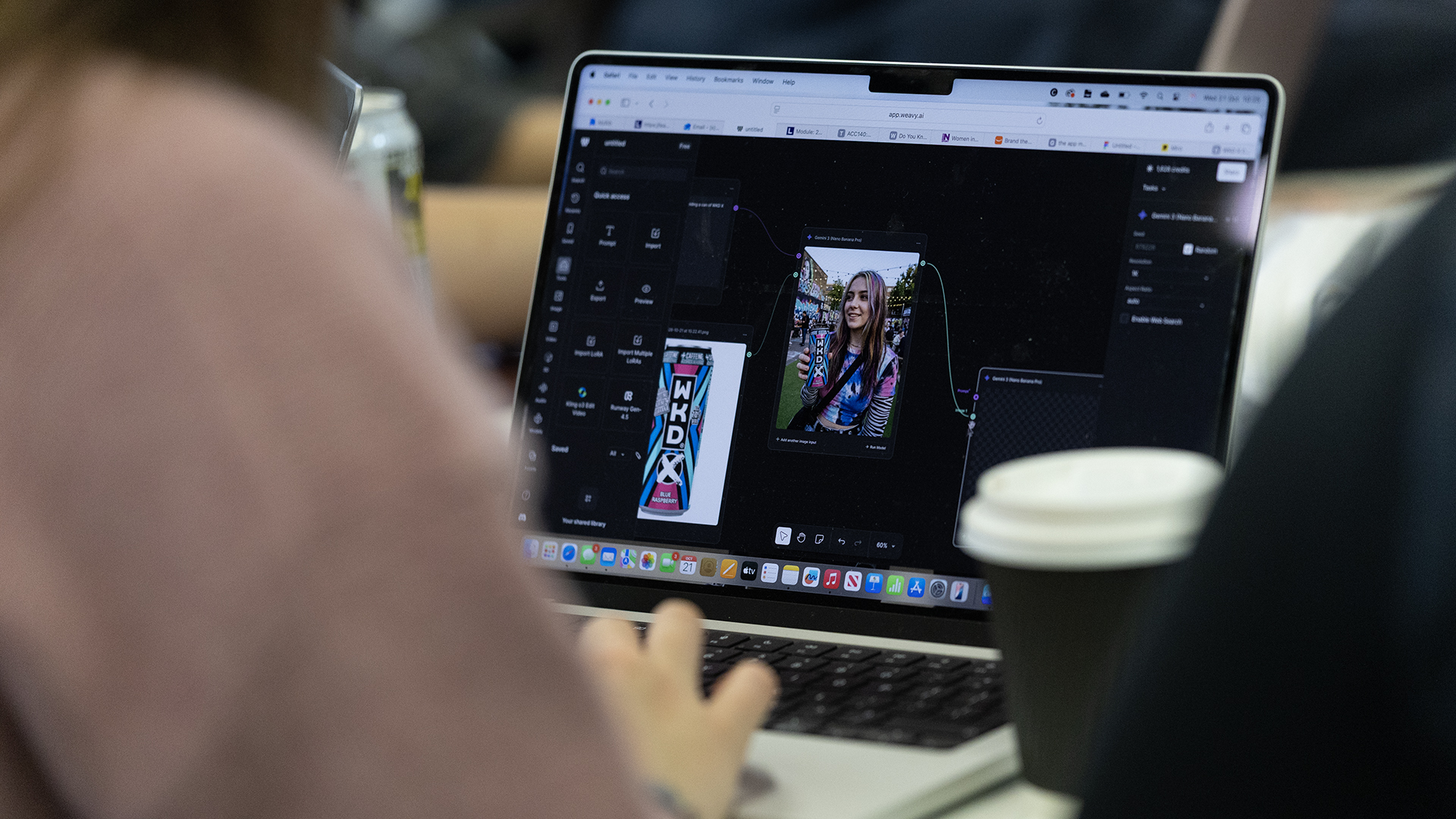
Students were introduced to Figma Weave, allowing them to access various generative AI models to help them along the way. Framed as a creative collaborator, students used the platform for visual exploration and to speed up their research – allowing them to consider different directions quickly.
There was some hesitation around AI at the start of the day. That's understandable. With so much debate about what it means for creative work and future careers, students have good reason to question how these tools should be used. The sprint gave them a chance to move beyond the debate and try them out for themselves.
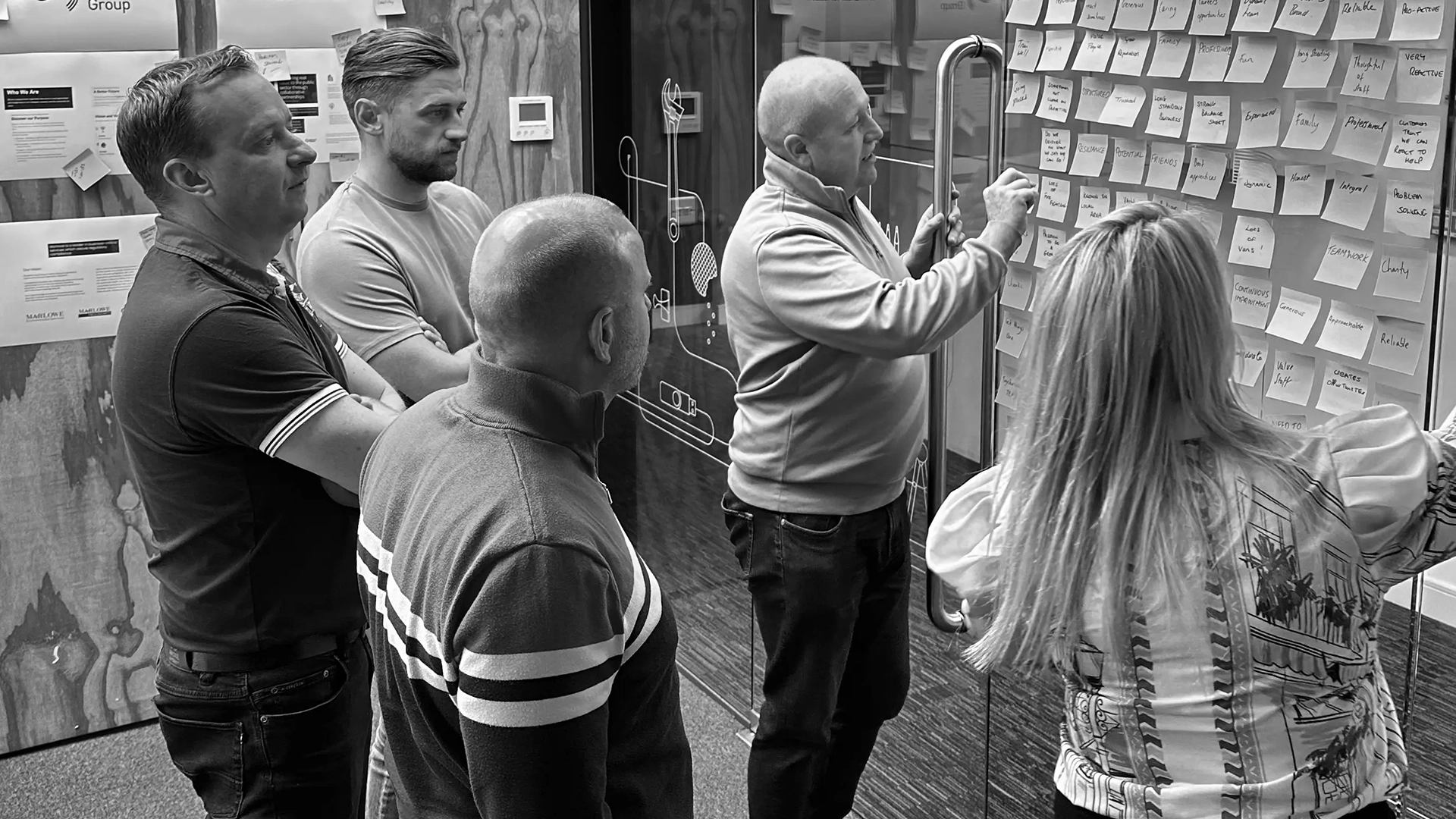
As the day progressed, the teams got stuck in, bringing energy to the process and a wide range of ideas to their final pitches. They had the chance to experiment with the tools, see where AI could help and make their own decisions about how to use it in their creative work.
Putting ideas to the test
The brief gave everyone something tangible to work with. WKD X has a bold, high-energy personality, and the teams needed to find activation ideas that felt right for the brand. They also had to consider the rules around marketing alcoholic drinks, including the Portman Code.
That's where the work gets interesting. AI can help you explore a lot of ground quickly, but you still need to know what you're looking for. Which ideas feel right for the audience? Which have something distinctive about them? Which can stand up to the realities of the brief?
These are the decisions that make a difference to creative work. The tools can help you get to more possibilities, but you need people who can make sense of them, push them further and recognise when an idea is worth pursuing.
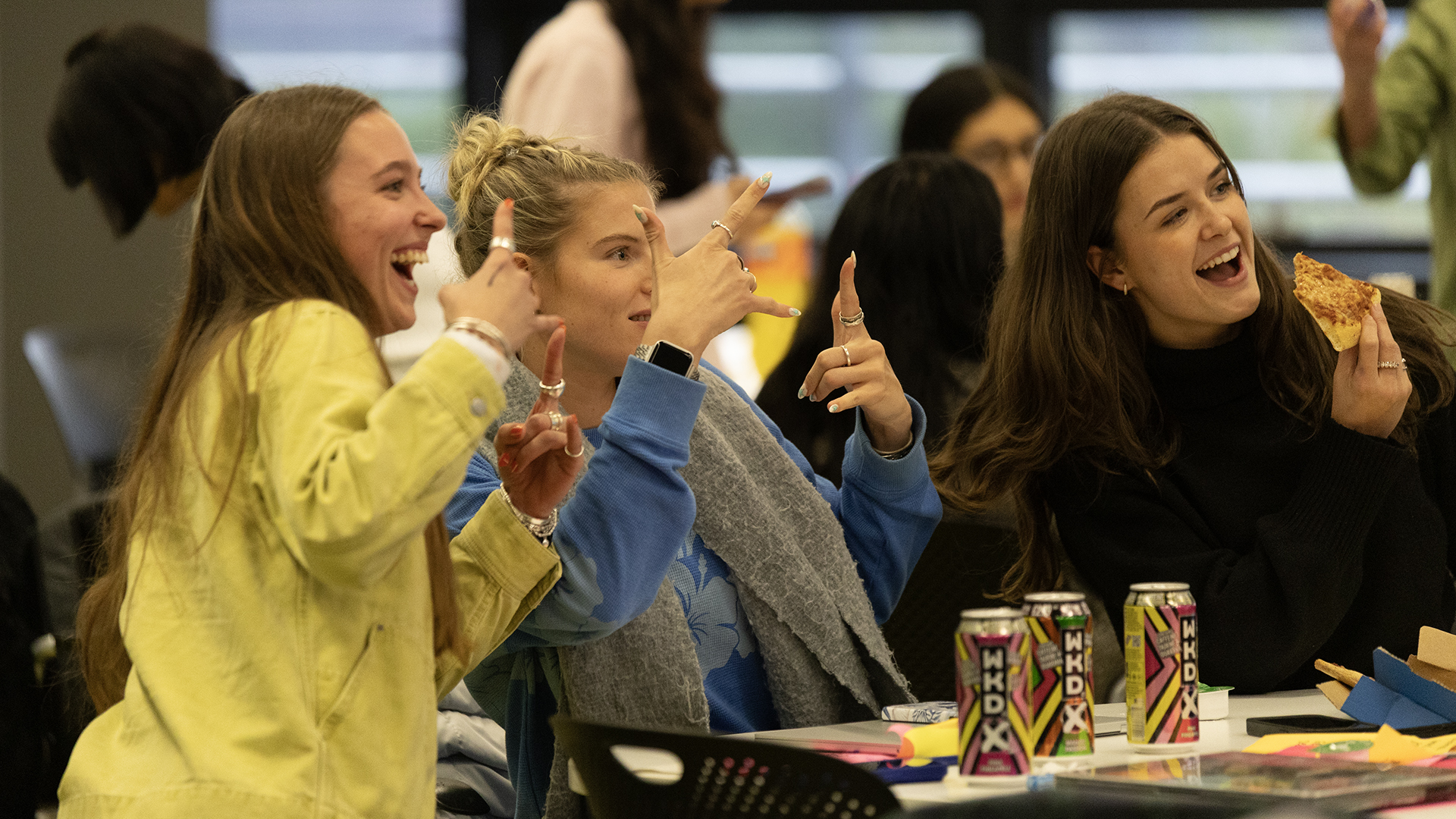
Seeing 15 teams take on the same brief and come back with such a range of ideas was one of the most interesting parts of the day. Everyone started from the same point, but the work took different directions. That variety is what makes creative thinking so valuable.
Learning together
For us, working with Loughborough was about getting out of the abstract discussion around AI and seeing what happens when students use it to solve a real creative challenge.
Lauren Squires, Teaching Fellow in BA (Hons) Graphic Design at Loughborough University, told us that understanding the practical application of AI is no longer optional for their students because of the rapidly changing job market. This partnership has given students hands-on experience with real-life context and also gives us something to build on.
We've co-created a structured approach that brings the pace and problem-solving of agency life into the classroom, and we'd like to explore how it could work with other universities.
There's a real value in bringing education and industry together on this. Students get to experience the demands of a live brief, while we get to learn alongside them and understand the questions that matter to people entering the creative industry now.
So, what did we learn?
A day isn't going to settle every question about AI, and it shouldn't. The tools will keep changing, and the creative industry will keep working out what that means in practice.
What matters is giving people the chance to experiment, ask questions and develop their own judgement. For us, AI is most useful when it helps people spend less time on the slow parts of the process and more time thinking, exploring and making better work.
That's what we set out to explore at Loughborough. And it's a conversation we'd like to keep going.
If you’re interested in exploring a creative sprint with your university, get in touch here.