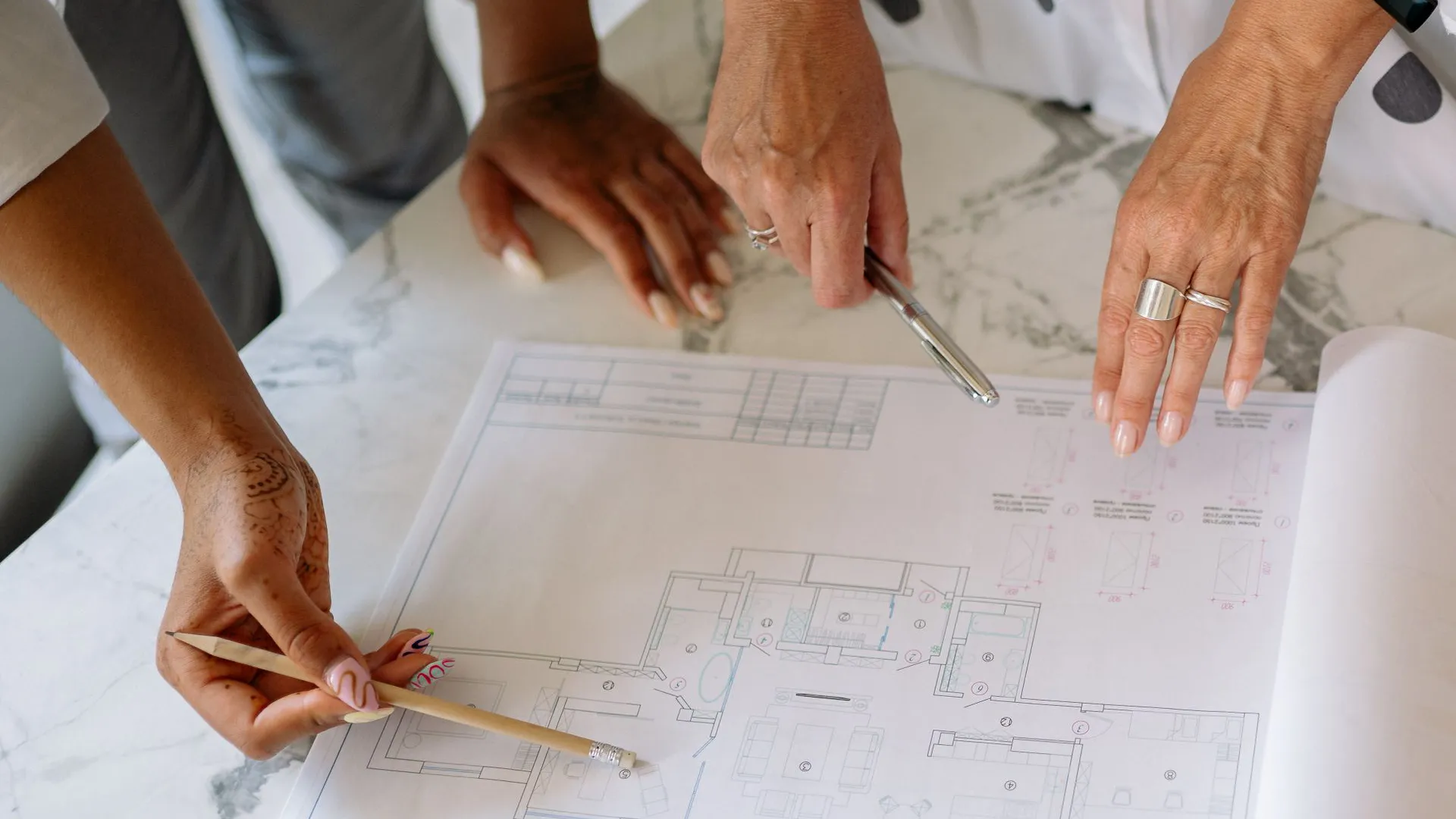
You’re specified. Now, how do you stay specified?
Getting specified is only half the battle. Scott McCubbin explores why premium manufacturers still get cut at the finish line and reveals how a distinct brand proposition acts as your ultimate insurance against value engineering.
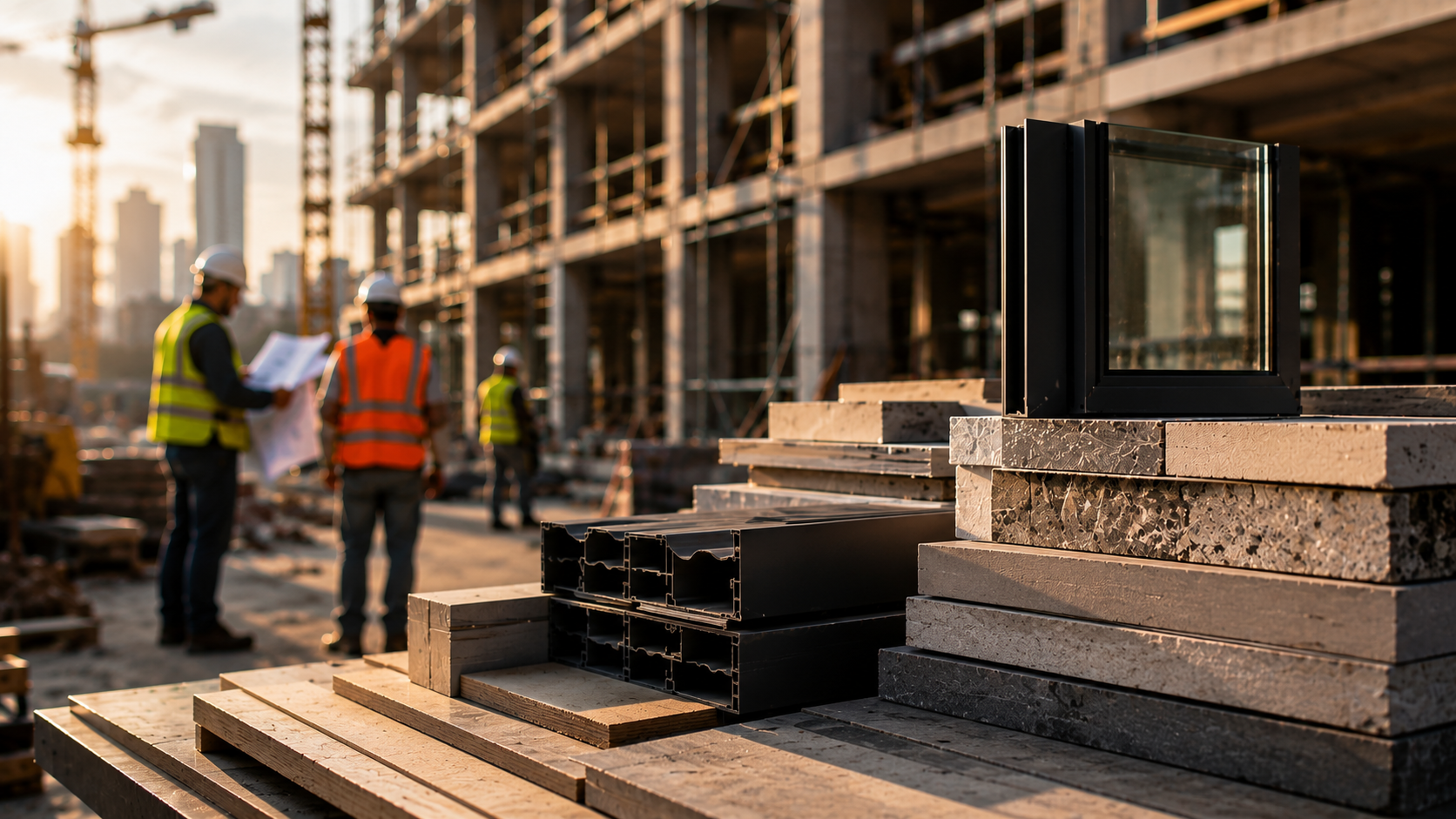
In the projects world, getting your brand specified is half the battle. The other half is staying there.
Value engineering is the bane of specified brands. With so many moving parts in a development (both in residential and office too now) specifiers are becoming increasingly risk averse and dealing with the constant stress of balancing rising costs and changing WFH demands. Any opportunity to swap out a premium item for a comparable cheaper alternative is a quick win for the bottom line.
This is the context that brands supplying the big-ticket items to developers and specifiers need to face. Bathrooms, kitchens, appliances, floors, furniture, we could go on.
As a result, brands can fall into a predictable pattern of ‘sameyness’.
From our trips this year to among others, Salone in Milan, KBB in Birmingham, Clerkenwell Design in London, there’s a pattern in language, tone and visuals:
· Can deliver at scale
· Top of the range manufacturing plants
· Logistical prowess
· Excellent aftercare
· Global reach and volumes
As the saying goes, “If everyone is thinking alike, no one is thinking.”
When everyone sounds so similar, it becomes impossible for a buyer to differentiate based on value. And if a competitor can match your spec sheet for 15% less, procurement will make the switch every time.
This is a recurring theme when I speak to those operating within this space. Retaining work with clients is so much more feasible than winning new contracts with completely new clients.
Manufacturers in this space talk about their brands, but in reality their focus is function, the business, the straight offer, but that isn’t enough to differentiate.
To avoid being value-engineered, you need to switch from functional specs to brand equity.
For example, look at how the standout brands at this year’s shows protect their margins using brand:
Electrolux at Salone.
Rather than focus on product first or the ‘heart of the home’ narrative we’re now used to, the Swedish brand anchored its presence in a distinct Scandinavian philosophy. It connected long winter days to deep intentionality in colour, materials and lifestyle.
Crucially, they didn't just sell to the developer; they created a premium brand narrative that their trade partners could actively leverage to elevate the price point.
Amtico at Clerkenwell Design Week.
The similarity was the focus on brand, not product. We were invited to The Amtico Retreat – presented as a space ‘away from the noise’ – a place for true collaboration, creativity and connection.
When you build a highly distinct brand proposition, you create an emotional and reputational cost to switching. If a developer swaps your brand out for a generic alternative, they’re losing a core part of their own marketing narrative.
Defending your place in the specification requires shifting from a straight product offer to an irreplaceable brand partnership. In the modern property landscape, a rock-solid brand proposition is your only real insurance against value engineering.