Why risk, humour, and the best branding can’t be automated
Everyone knows that funny brands get noticed, yet a lot of marketing remains completely risk-averse. Here’s why outsourcing your voice to safe, automated systems is killing your creativity, and what you can do about it.
There’s a version of this piece that opens with a spreadsheet of data proving that audiences want funny brands, and that bosses are too scared to deliver. You've read that piece. Everyone has. It tends to end with a call to arms about bravery, and nothing changes.
So let’s look at the actual problem instead.
Somewhere in the last decade, humour became a risk management question. Legal reviews it. Social teams model the downside scenarios. Brand guidelines specify the approved register. By the time a joke reaches an audience it has been stress-tested into something that isn't quite a joke anymore.
And when brands introduce AI to eliminate risk, they also eliminate the human realities that actually make people laugh.
The result isn't brands that are offensive or inappropriate. It's brands that are simply not funny. And in a landscape where attention is the scarcest resource available, not funny is a more dangerous position than most marketing directors realise.
WKD understood this, but the solution wasn't as simple as telling the brand to loosen up.
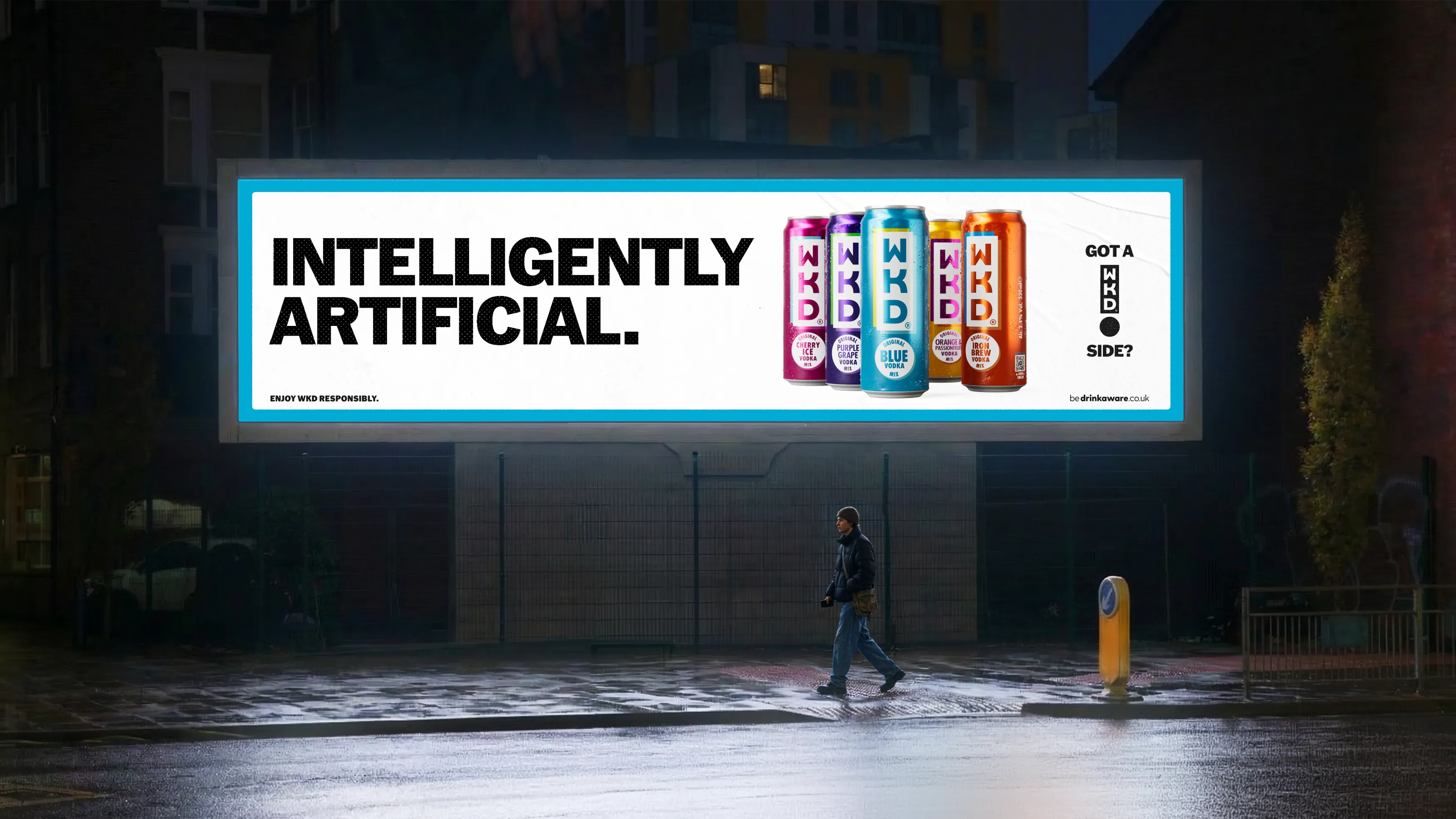
WKD had a humour problem with a specific shape. The brand had been genuinely funny in the nineties – irreverent, a little anarchic, built for a cultural moment that no longer existed. The instinct when we came on board was either to preserve that register out of respect for the heritage, or to abandon it entirely in favour of something more contemporary. Both felt wrong. The heritage humour was lads mag banter that a new audience would rightly find hollow. But scrapping it meant losing the key ingredient that had made the brand distinctive.
The answer was to understand what the original humour was actually doing underneath the surface, and then find the equivalent.
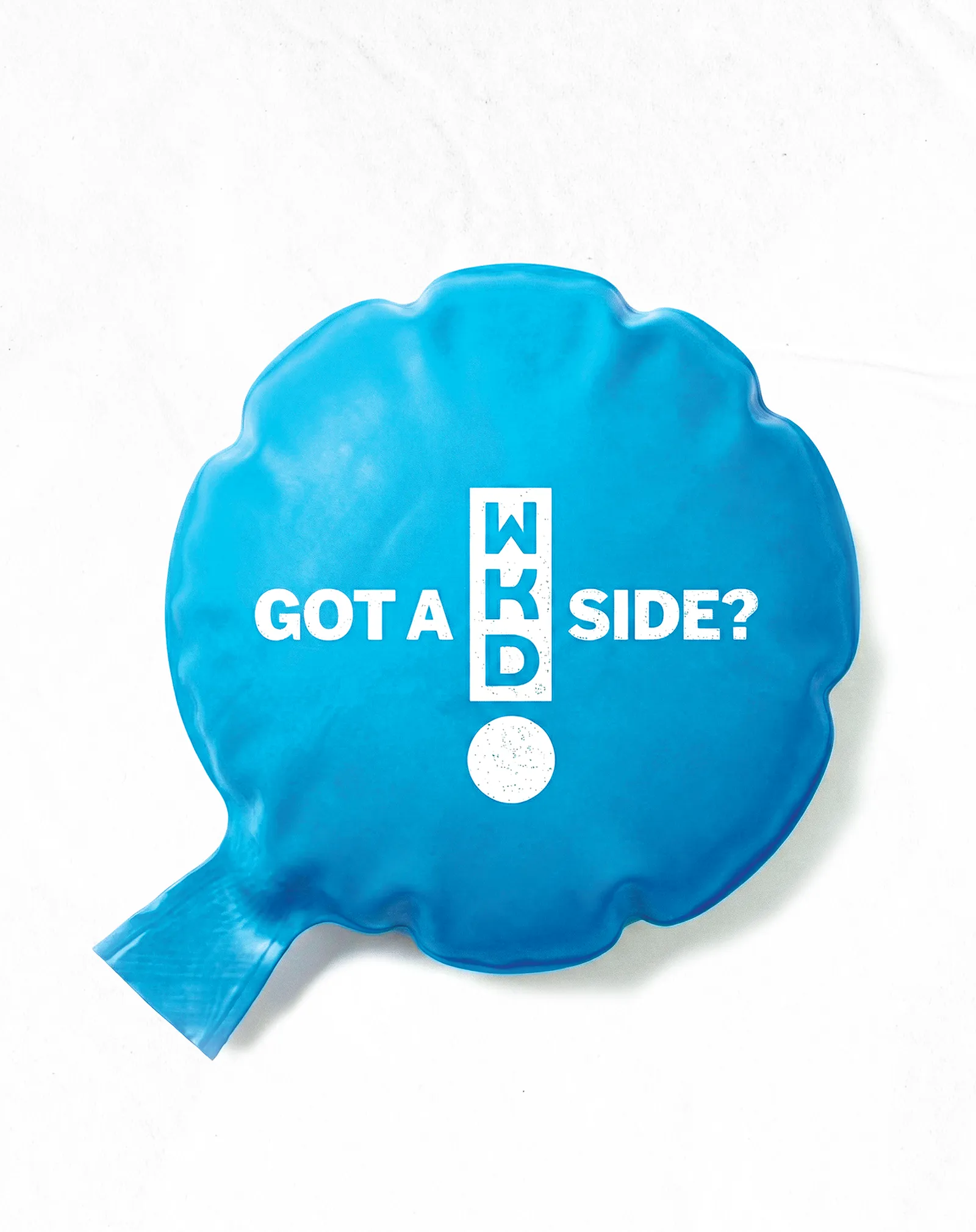
What it was doing was giving people permission. Permission to not be impressive, not be aspirational, not be optimised. That impulse hasn't dated. If anything, for an 18-24 year old in 2026 who has grown up with an algorithm curating their self-image, the appeal of a brand that's just honest about the messy realities of life is more potent than ever.
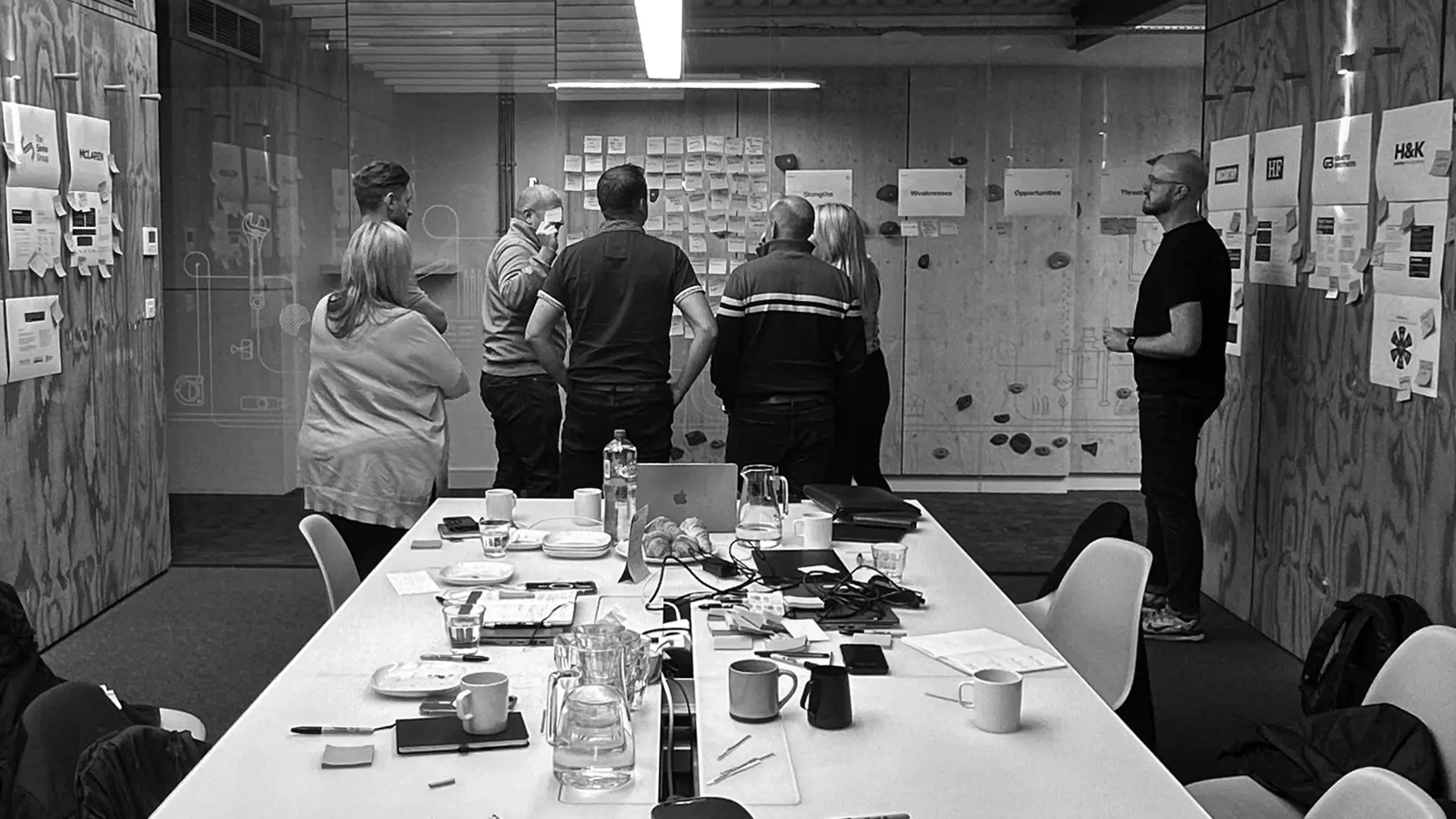
We developed a Humour Matrix – a framework for mapping what we could say, how far we could push it, and where the line sat between near the knuckle and a punch in the face. It was less about writing jokes and more about understanding the audience's social contract: what they find funny, what they find reductive, and crucially, what they'd actually share. We co-created with 18-24 year olds throughout, which meant the work wasn't a creative team's interpretation of youth culture – it was built from inside it.
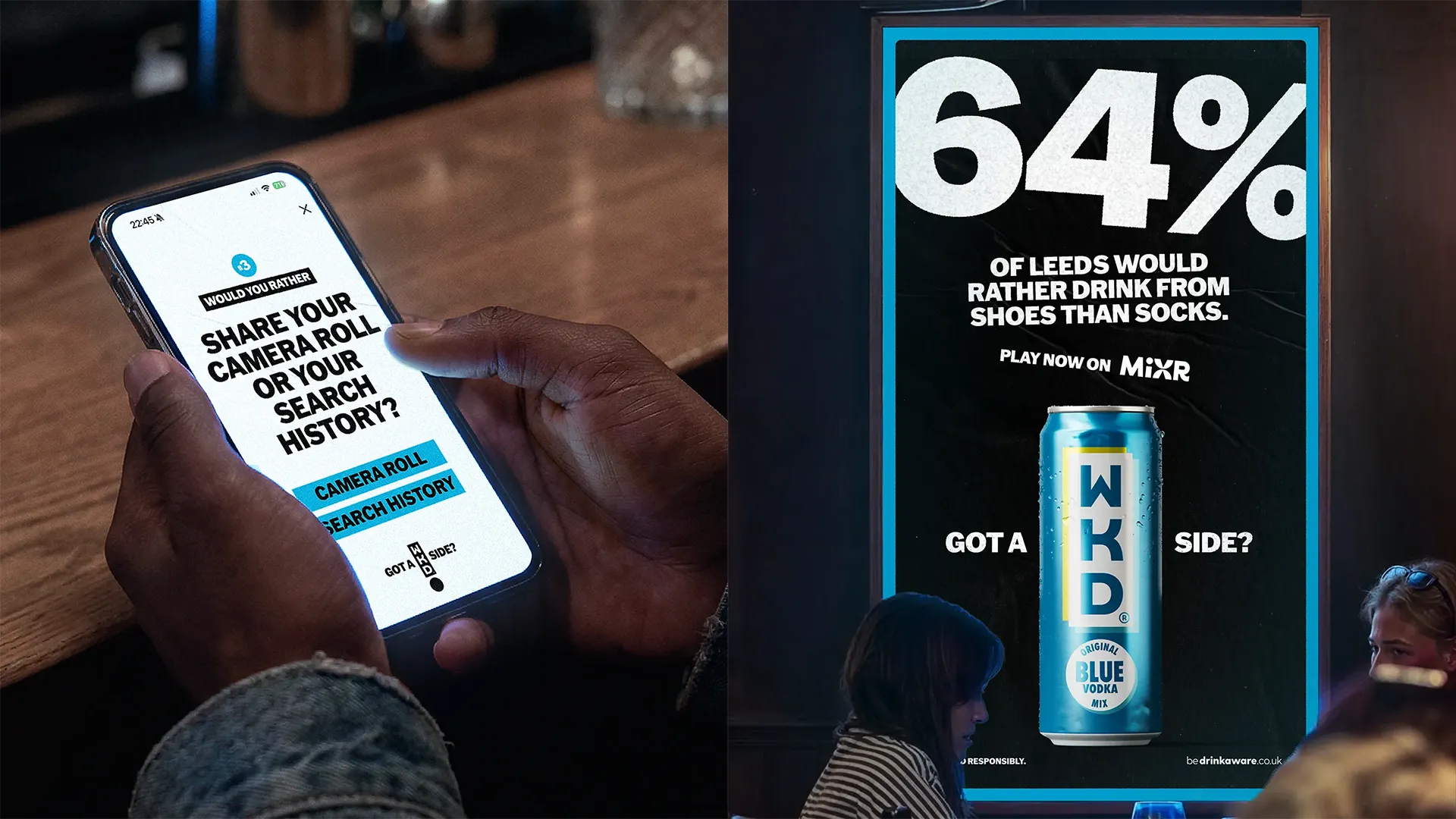
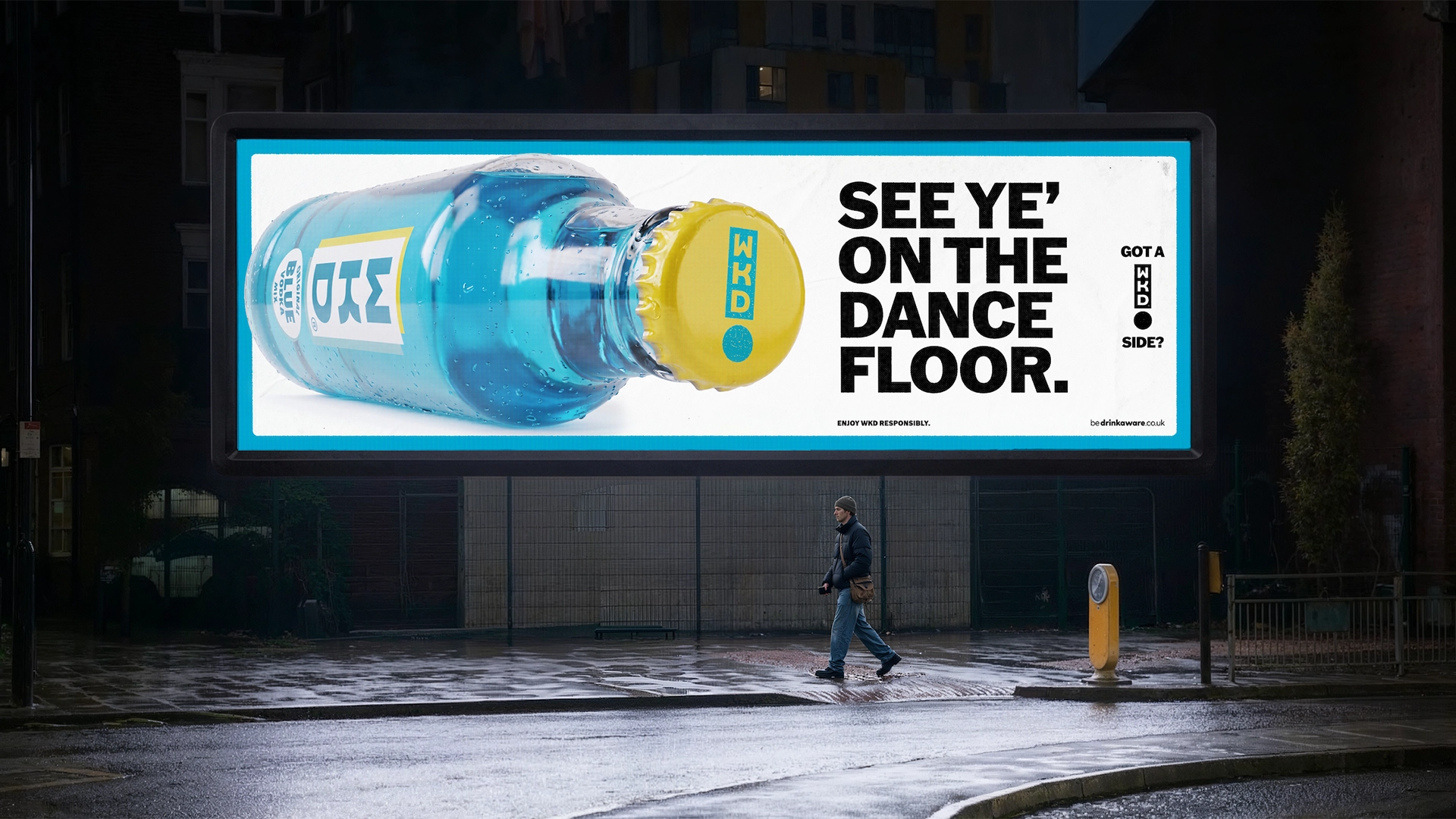
The campaign moved from the clean, aspirational aesthetic the category had been drifting toward and landed somewhere more honest. ‘All Fun, No Filters.’ was a strategic position with real constraints and real creative freedom inside it.
Humour matters. Used with genuine craft and proper strategic framing, it's one of the few tools that can make an audience feel something in under three seconds. It disarms and it builds loyalty faster than purpose statements. It lets you say things that a straight-faced brand would never get away with.
So forget about getting legal to approve a punchline. To earn real cut-through, you need to focus on understanding your audience well enough to know exactly what would make them laugh – and have the strategic framework to make it repeatable.