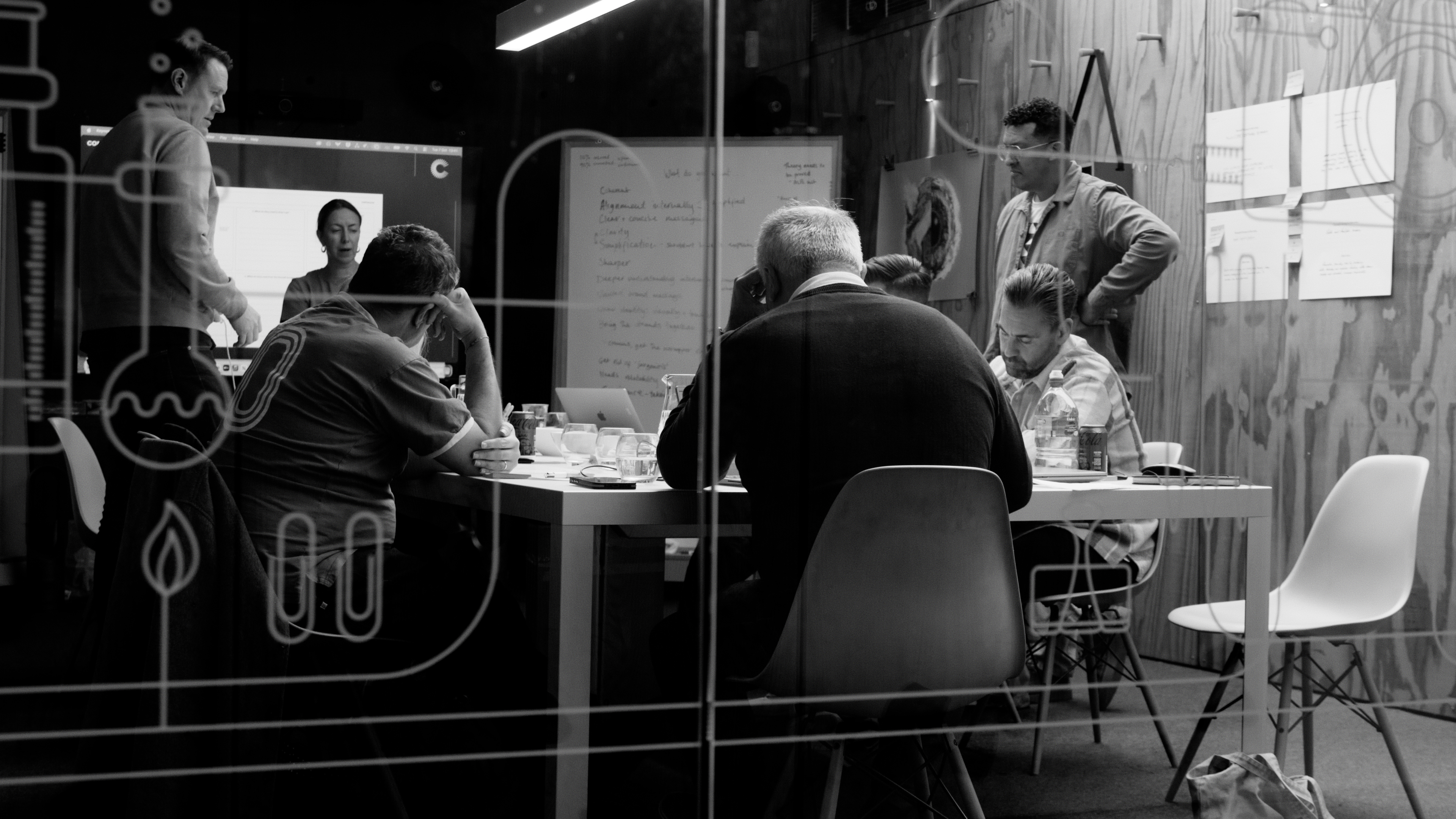
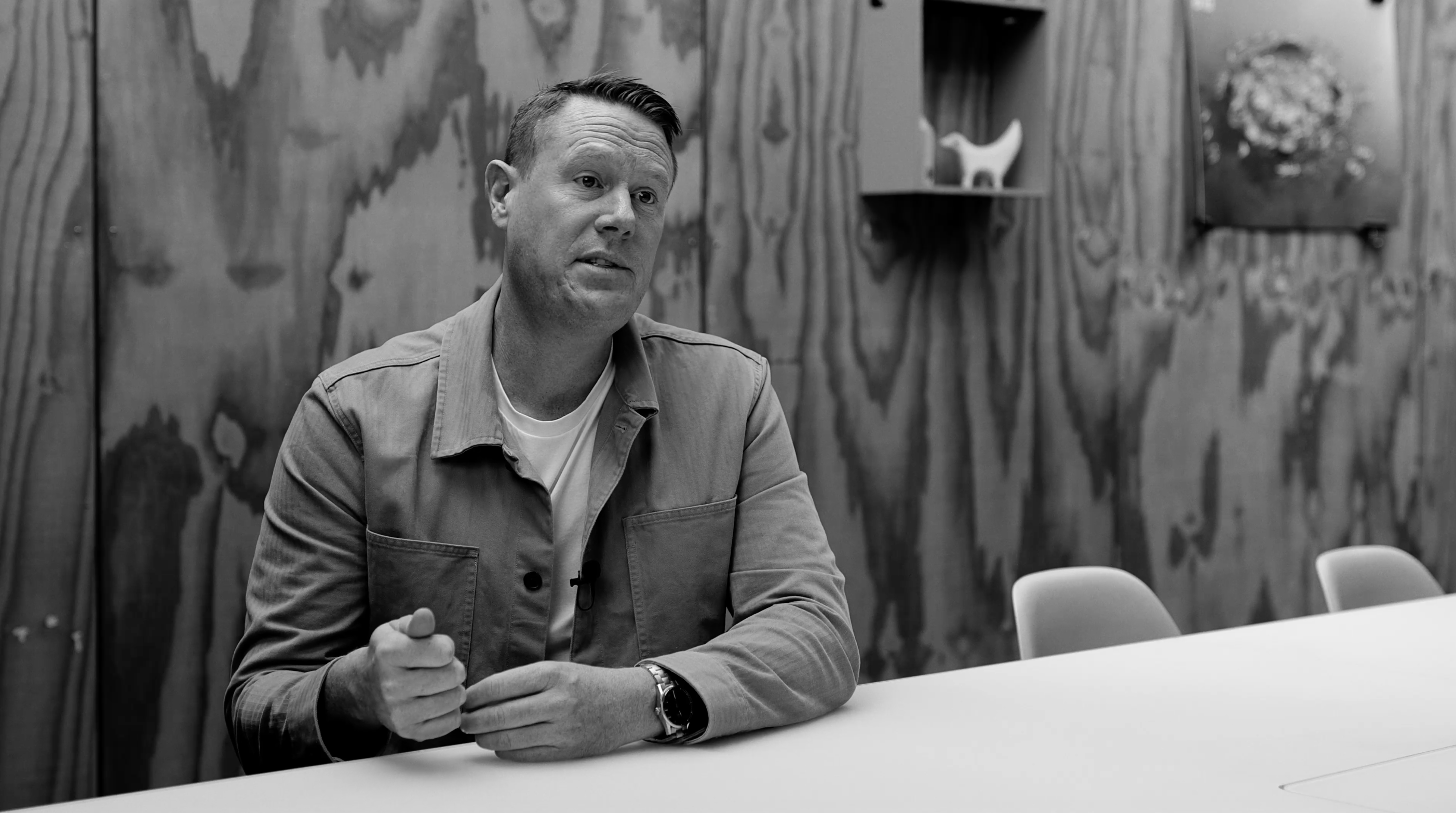
The inside track: with David James
Scott McCubbin speaks to David James, Director and interior designer at BLOKKA and co-founder of ClerkenWales, about how designers discover products, build relationships with manufacturers and decide what makes it into a specification.

About David
Dave’s impressive portfolio and professional, upbeat attitude have enhanced design teams and client relationships alike for the last 15 years in both the A&D and D&B sides of the industry. Alongside his role as Director at Blokka, Dave is passionate about continuous professional development and co-founded ClerkenWales – a live, pop up workplace that allows attendees to try products first hand, increase industry knowledge and network all in one location. He also has close ties with local Universities, acting as an industry mentor to students studying interior design at the University of South Wales.
How do you build relationships with building product manufacturers, and what makes you give them your time?
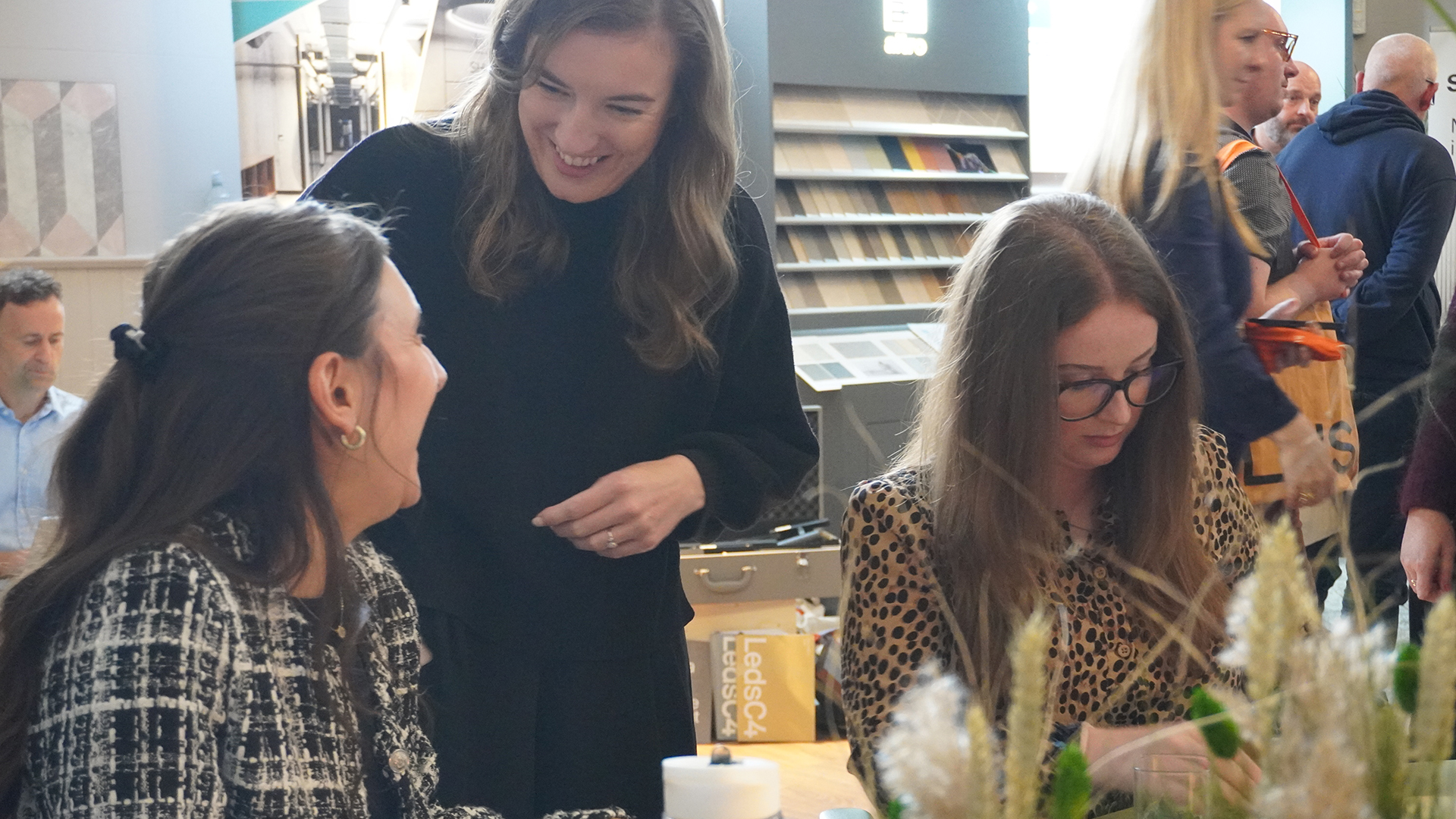
We've been doing this for quite a few years, so you get to know the manufacturers, the different reps and who's operating in your region. Those relationships come from meeting people and taking the time to have conversations.
When someone new contacts us, we'll have a look at their product offering and decide whether it could be of value. If they're taking half an hour out of their day to show us their latest products, research or developments, I think we should stay open to that. You never know what you might discover.
Sometimes, though, the products barely come up. Someone might be passing and pop in for a coffee. The relationship becomes the important thing. There's that old sales adage that people buy people, and I think there's something in that. You build relationships with people you get on with, and that makes you more likely to make time for them.
If you're trying to get your foot in the door with someone you don't know, I'd recommend doing your homework. Tell them what you've got, why you think it's relevant to them and how much of their time you need. If you've identified something that could work for a project they're involved in, that's a good reason to meet.
When do you start thinking about products and materials on a project?
Ideally, you're involved right at the beginning. That's not always the case, though. Sometimes the look and feel, or even the manufacturers, have already been decided by an earlier design team. On larger projects, contractors might also have supply chain agreements that determine which manufacturers are used.
Where we can get involved early, our existing product knowledge makes a real difference. When we're looking at precedent imagery and developing ideas to show a client, we'll already have manufacturers in mind who make products that could bring those ideas to life.
Even if we don't know the exact product yet, we know who we can turn to. We might send a manufacturer an image of what we're looking for and ask what they have in their range that could work.
The formal technical specification might come at stages three or four, but products are already in our thinking at the concept stage.
What does that mean for manufacturers trying to get their products considered early?
A lot of it comes down to timing. You might not know when a new project is coming along, so maintaining those relationships means you have people you can turn to when the right project arrives.
We've built up a good knowledge of different products and manufacturers over time. That means we can make connections between an idea and a product, even when we're still at an early stage.
It's also useful when manufacturers can help us navigate their ranges. Take something like ceramic tiles, where there are thousands of options. You can't necessarily find everything you're looking for on a website, so being able to tell a rep what you need and get their help narrowing down the options is valuable.
What information do you need from manufacturers, and when?
Having all the information available on your website sounds simple, but it's really important. We need different things at different stages of a project, and making those easy to access helps us move from an initial idea to a workable specification.
At the concept stage, good-quality imagery and digital assets are really useful. If we're considering a wall covering, floor covering or fabric, having tileable textures and images we can put straight into our 3D models helps us bring ideas to life for clients. We now use 3D visualisation as a design tool, so we're working with these materials much earlier in the process than we used to.
Revit files are particularly important to us. It's the system we use to design, and having a file available means we can drop a product straight into a model. When we're considering a new product, we always ask manufacturers whether they have one. If they don't, it creates another step in the process. If we're pushed for time and choosing between two products we like, the one with the Revit file will win every time.
As the project develops, we need more technical information. Data sheets and installation instructions help us check that a product is suitable for its intended application, write the specification and move towards delivery.
It's useful to have that technical detail available early, too. You don't want to develop a concept around a product only to discover further down the line that it won't work in the space or environment you're designing for.
Ultimately, having the information available and easy to find makes a real difference. We don't want to have to email someone for every document or create an account and log in to access a manufacturer's website. Those extra steps become barriers.
Are printed brochures still useful?
Not really, in most cases. I’d much rather have a PDF or be able to find what I need on a website.
It helps to have a good overview of the range, ideally with products organised in a way that makes it easy to compare options. Price bands can be particularly useful because they help us narrow down what might be appropriate for a project.
Physical samples still have their place, though. We’ll keep samples of core products that we use regularly, and order other samples when we need them for a specific project. Being able to see and feel a material can be important when you’re making decisions about how a space will look and work.
How can manufacturers give valuable inspiration to designers?
Events and opportunities to see what's happening in the industry are really valuable. You can learn a lot in a day or two, discover products and ideas you might not otherwise come across, and come away feeling refreshed and energised.
That's one of the reasons we set up ClerkenWales four years ago. We'd experienced the frustration of having one big event a year, often in London, and felt there should be more opportunities for designers to discover products and meet manufacturers closer to home. It could also be difficult to get the whole team along, particularly more junior members of staff.
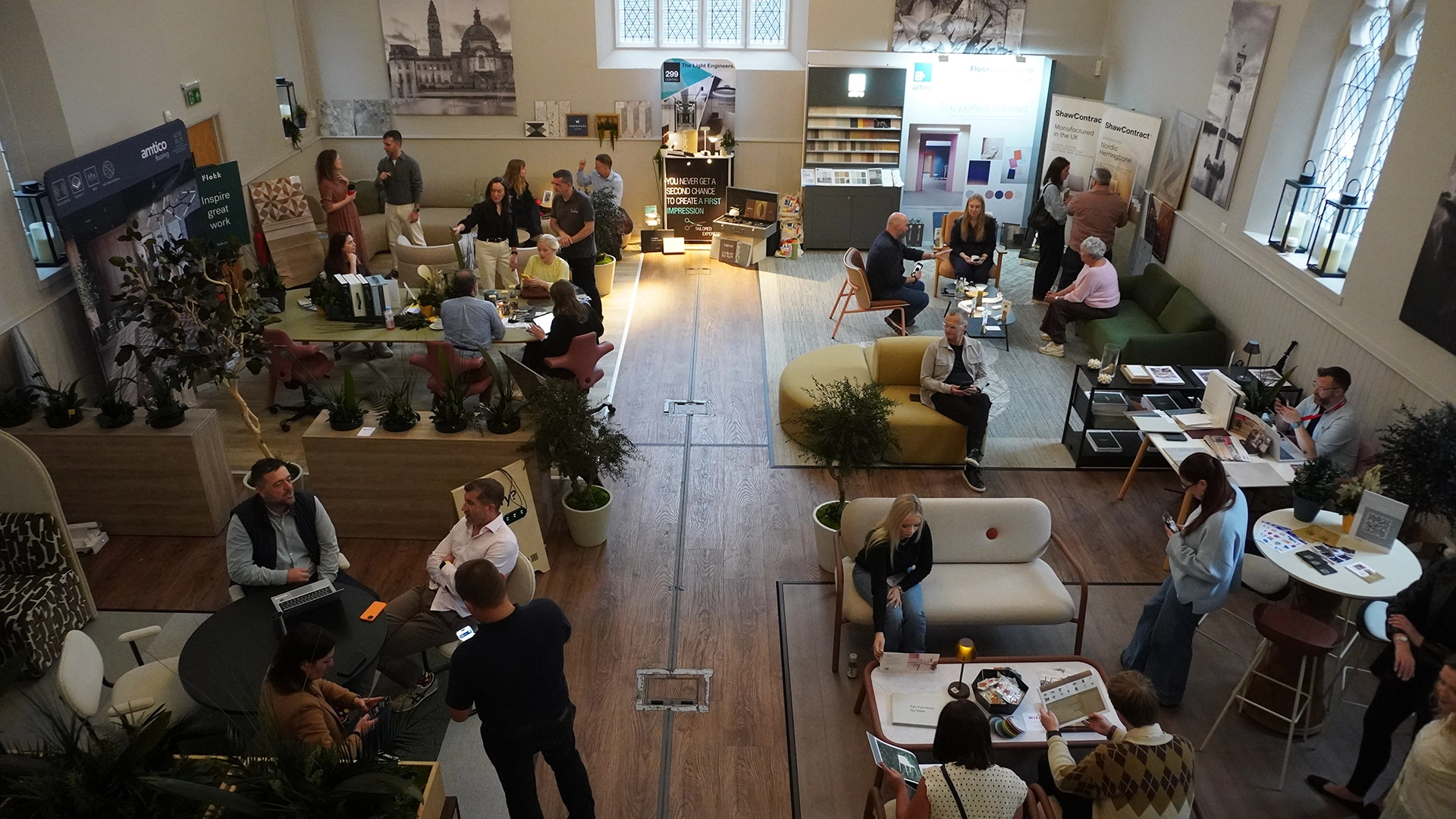
Committing to running ClerkenWales was important to us. It gives people the opportunity to discover a range of manufacturers and products in one place, making it easier to see what's out there and get inspiration.
I think you have to treat these events as further education and training. If you stop learning about new products and innovations, your designs can eventually become stagnant. You're also missing opportunities to broaden your knowledge and develop professionally.
And the need for inspiration can look quite different depending on the kind of work you're doing.
On the architecture and design side, projects can run for two or three years. You might spend the first 10–15% of that time designing, with the rest focused on delivering what you've already designed, allowing for some adjustments and value engineering along the way. That can mean long periods without much of a creative outlet.
Design and build can be challenging for the opposite reason. You're working with teams bringing in new clients and developing new solutions constantly. Sometimes you're designing new concepts almost week after week, and you can start to run low on inspiration.
Having those events and spaces where you can find inspiration and discover new things helps with both. You come away feeling energised and refreshed, ready to do your job more effectively. It's time invested in your team, and I think it's definitely time well spent.
What can manufacturers do to make their products easier to choose?
Make it easy for us to understand what you offer, find the information we need and see how your products could work for our projects.
That starts with a clear overview of your range and the ability to find relevant options quickly. It also means providing the right digital assets and technical information, so we can assess a product, use it in our designs and develop the specification without unnecessary effort.
Relationships matter too. A good rep can help us navigate a broad range, answer questions and find the right solution. But the digital side is important because we need to be able to access information when we’re working on a project, whether or not we’ve already met the manufacturer.
Ultimately, the easier you make it for us to understand, assess and use your products, the easier it is for us to bring them into a project and specify them.
Thanks to Dave James for his time and insights.