It’s not who you are. It’s who you are to someone
We spend a lot of time defining brand personalities. But what does being fun, bold or different actually mean to the people we want to connect with? Perhaps the real question is less about who a brand is, and more about who it is to someone.
Fun. Bold. Playful. Confident. Irreverent.
Sound familiar?
If you’ve ever been involved in developing a brand strategy, you’ve probably spent a fair amount of time debating words like these.
Trying to find the right combination. The right balance. Something distinctive enough to capture the personality of the brand you’re trying to build.
And there’s nothing wrong with that. Words matter.
But I wonder whether we sometimes spend so much time describing who a brand is that we overlook something more important.
What does that personality actually mean to the people we’re trying to connect with?
Because being fun doesn’t necessarily make you someone people want to have fun with.
And being different doesn’t automatically make you desirable.
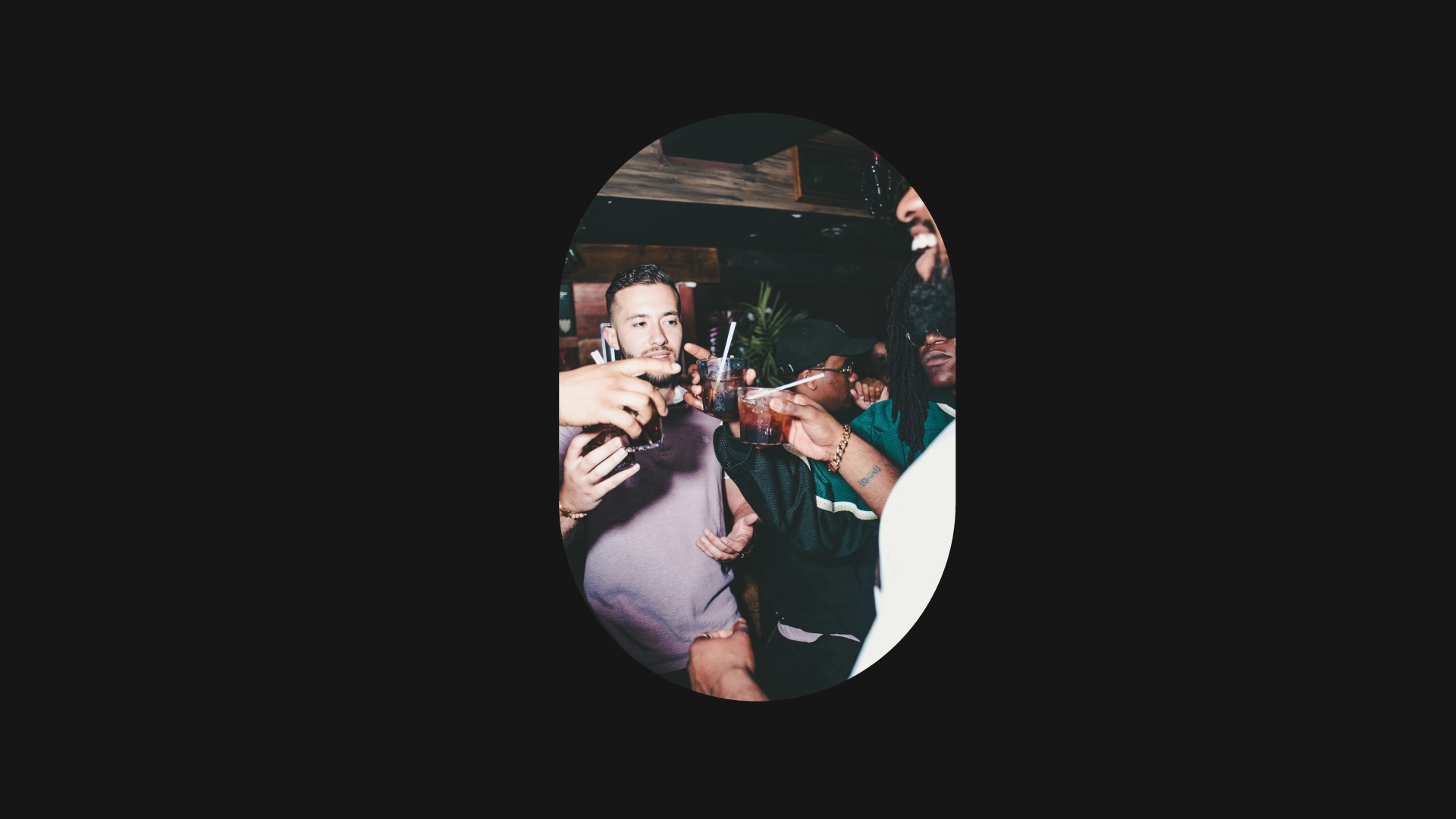
Walk into a bar.
It’s a busy Saturday night.
There’s a group watching the football. A few people getting competitive over the pub quiz. A loud group of friends laughing at something that’s probably not nearly as funny as they think it is.
And another group who are definitely not going home when the pub closes.
Different ages. Different backgrounds. Different interests.
Even within those groups, the people aren’t necessarily alike.
One’s loud. One’s quiet. Someone’s the organiser. Someone else is usually responsible for things going spectacularly wrong.
Yet something connects them.
A shared sense of humour, an interest, an outlook on life or simply an appreciation of each other’s company.
They don’t have to be the same to belong together.
And I think there’s something important in that.
We spend a lot of time defining audiences by what makes them different. Age, gender, income, location, occupation.
We can keep slicing and dividing until we’ve got an incredibly precise description of who we’re trying to reach.
But do we understand what connects them?
I’m 44. I like mid-century furniture.
My parents might appreciate exactly the same piece of furniture. So might a 25-year-old designer living in London.
Three very different people, potentially connected through a shared appreciation of design.
Different demographics. Shared interests.
And perhaps that’s something we should consider more when developing brand personalities.
Back to the bar.
A couple of years ago, during conversations around Continuous’s work with WKD, a brand we’ve had a longstanding relationship with, I found myself asking a question.
If WKD walked into a bar, which group would it sit with?
The football crowd? The pub quiz regulars? The loud group having a laugh? Or the people already planning where they’re going at 2am?
And what would it bring to that group?
Not which group most closely matches its demographic profile. But where would its personality, energy and attitude naturally belong?
Then I flipped the question.
What if WKD was already sitting at a table, surrounded by other competing drinks brands?
Someone walks into the bar, looks around and decides where to sit.
What would make them choose WKD’s table?
It’s almost like speed dating.
Different personalities competing for attention. Some you’ll immediately connect with. Others you’ll politely avoid.
And occasionally you’ll find someone you actually want to spend time with.
Not necessarily because they’re the loudest or most unusual person in the room.
But because there’s something about them you connect with.
I wasn’t heavily involved in the subsequent WKD work, and this wasn’t a defining moment in the project. Just a question that came to mind.
But it’s stuck with me.
Who are we to someone?
We spend considerable time asking who our brands are, what they stand for and how they should behave.
All perfectly legitimate questions.
But perhaps we should spend just as much time asking what people actually want from us.
What matters to them? What do we have in common? What can we contribute to their lives?
Because you can create a brilliantly distinctive personality, find the perfect combination of adjectives and develop an identity that stands apart from the category.
But if that personality doesn’t mean anything to the people you’re trying to reach, what have you achieved?
You’ve created something different.
But have you created something people want?
There’s a paradox here.
To stand apart from the crowd, you first need to understand where you belong within it.
Not because you need to be exactly like everyone else. Quite the opposite.
Think about your own friendship group. Different people, different personalities, each contributing something to the relationship.
And perhaps brands should think a little more like that.
Because understanding what connects us to people helps us make better decisions about how we behave, what we communicate, where we show up and what experiences we create.
It also gives us a better chance of earning their preference, recommendation and perhaps an invitation into other moments in their lives.
Of course, personality isn’t everything. Products, price, availability and service still matter.
And not every brand needs to become someone’s best friend.
But understanding the role people want you to play is surely a better starting point than simply deciding how you’d like to describe yourself.
So, back to those adjectives.
Fun. Bold. Playful. Confident. Irreverent.
They’re not bad words.
But knowing you’re fun isn’t the same as knowing who wants to have fun with you.
Knowing you’re bold doesn’t tell you whether people appreciate that boldness.
And knowing you’re different doesn’t necessarily mean people want you around.
Perhaps we should spend a little less time asking what kind of personality our brand has and a little more time understanding what that personality means to the people we want to connect with.
Because ultimately, it doesn’t matter how interesting you think you are if nobody wants to sit at your table.
A note on WKD
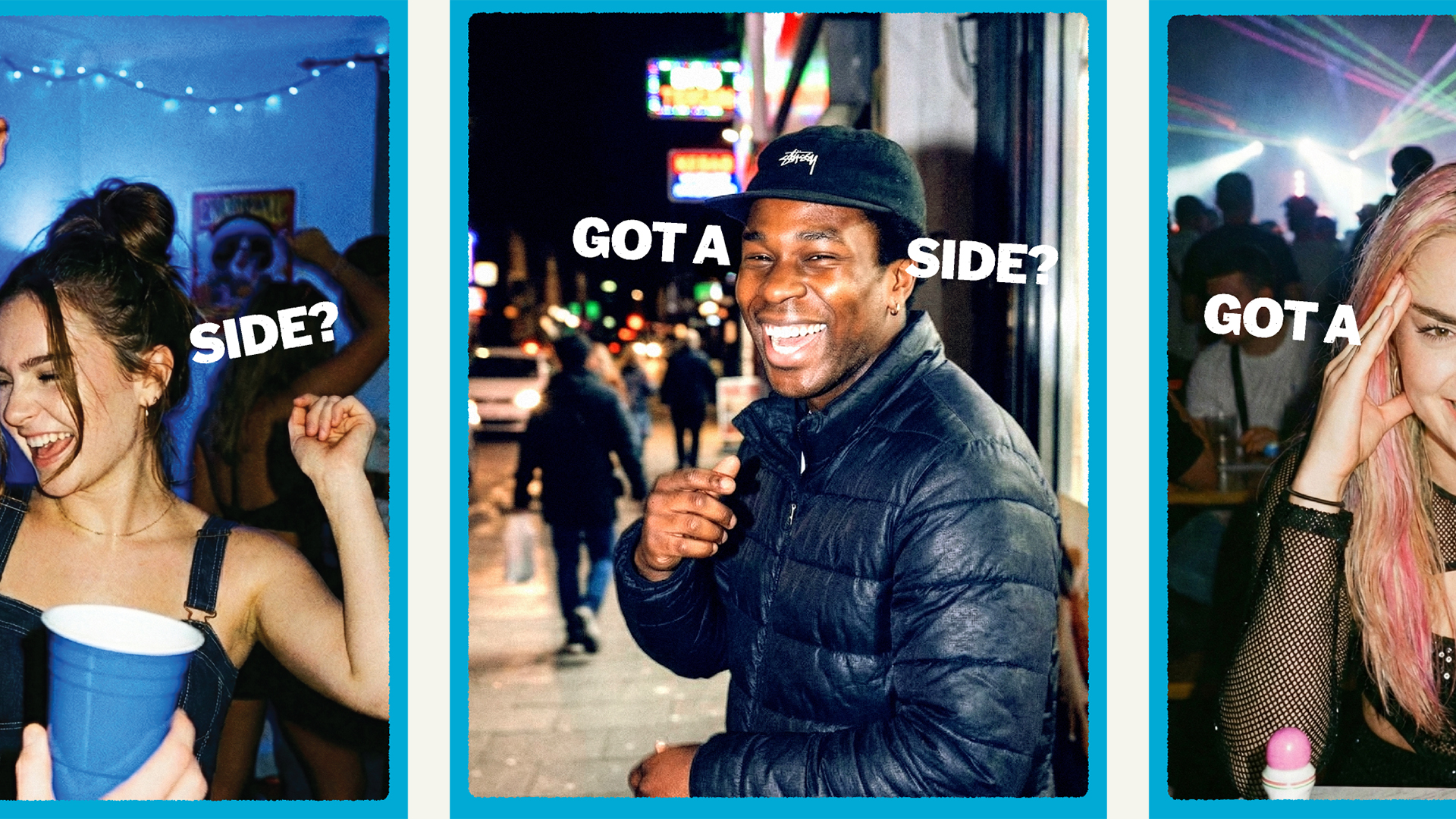
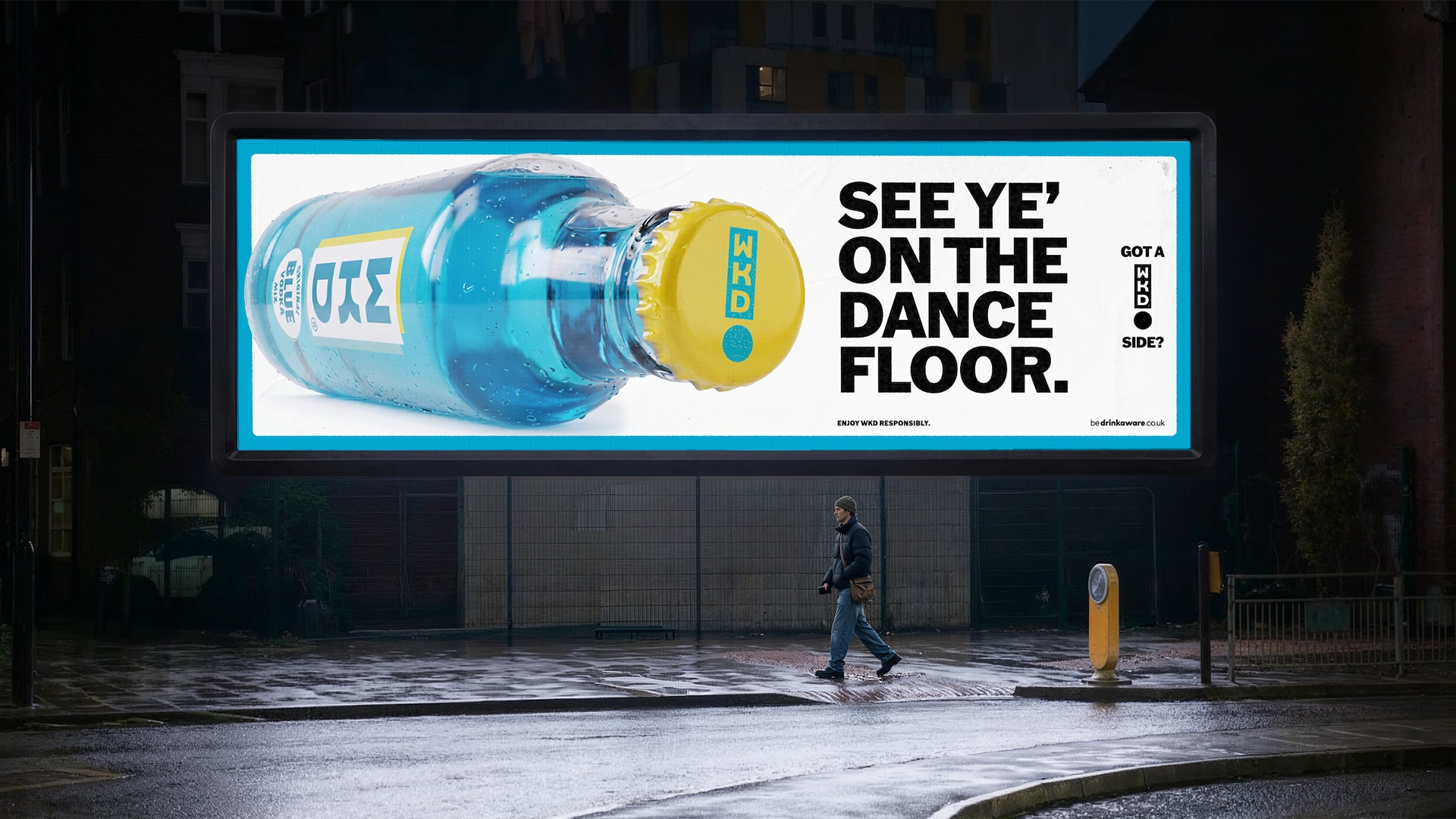
It was great to see the thinking around personality, connection and belonging come to life through Continuous’s work with WKD.
A brilliant collective effort from the Continuous and SHS Drinks team, bringing a fresh perspective and energy to a brand we’ve worked with for years.
You can see the work here.